Mongolia’s Environmental Crossroads: Mining, Rangelands and Water Security
Bolor Lkhaajav is an international relations researcher and writer
The 17th Conference of the Parties to the UN Convention to Combat Desertification (UNCCD COP17) was convened in Ulaanbaatar last month, bringing together 196 country representatives plus the European Union to negotiate action-based measures on several climate challenges facing the world today. Ulaanbaatar’s hosting of UNCCD COP17 is viewed as an invigoration of the country’s efforts to combat climate change, but it also highlights the need for a multi-layered approach to many of the solutions.
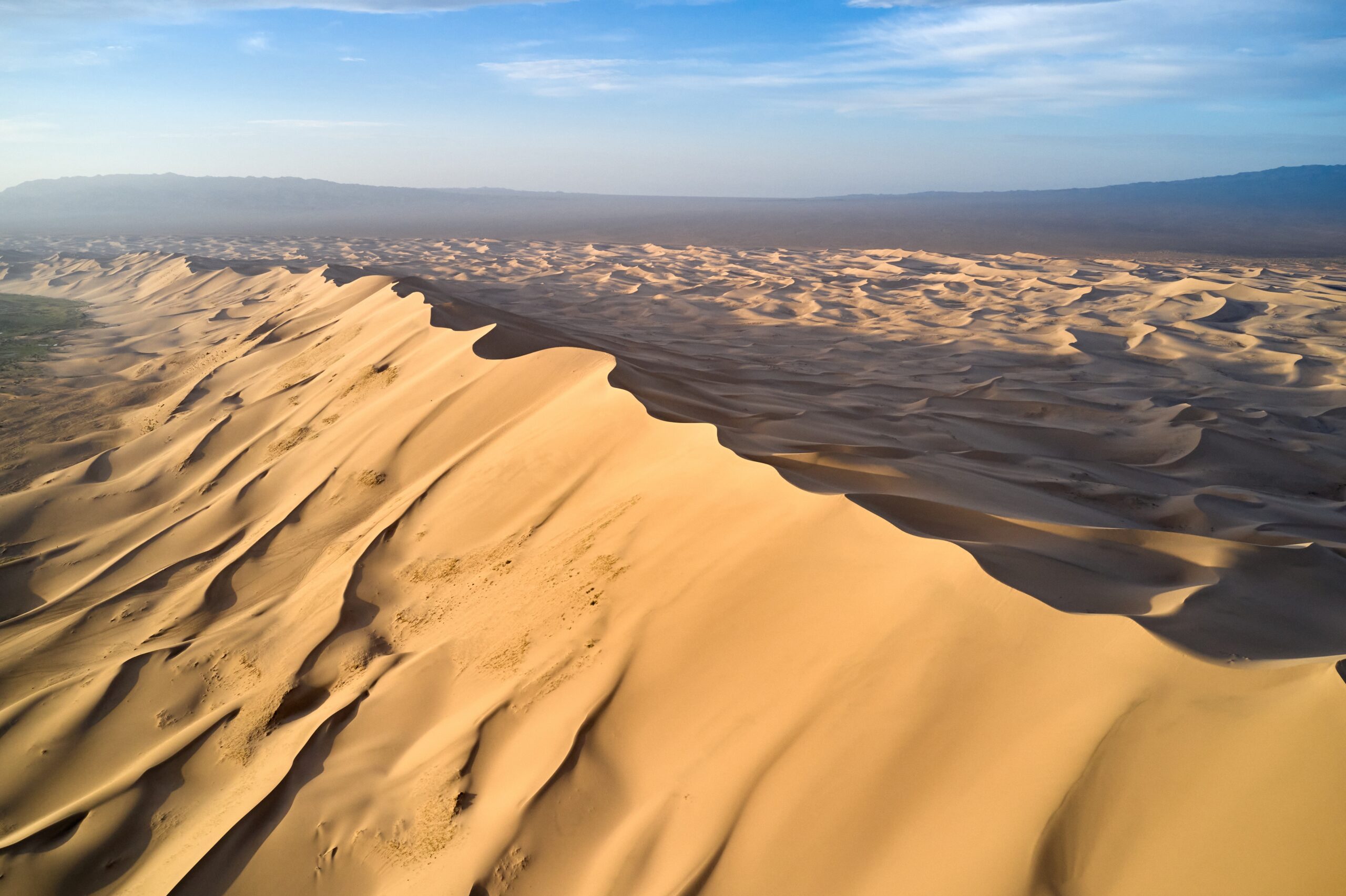
Over the last several decades, Mongolia’s environmental challenges have been linked to the country’s mining and mineral exploration operations, not least the consequent water pollution. However, in recent years, these environmental challenges have been compounded as the country’s vast and diverse landscape experiences land degradation, overgrazing, and water loss.
A 2020 report from the United Nations Development Programme (UNDP) estimated that 76.9 percent of Mongolia’s land is affected by desertification. One of the leading causes of desertification is how pastoral lands are managed, regulated, and administered within each province. Decades of “overgrazing, unplanned mining, and road and transportation use” have caused environmental damage in economic zones such as the Eastern Gobi and the Central Mongolian Plateau.
To combat these challenges, policymakers, civil society, and private businesses have mobilised to take action.
In 2021, Mongolian President Khurelsukh Ukhnaa launched the flagship “1 Billion Tree” initiative in an effort to combat desertification. Since the initiative was launched, Mongolia has planted 127.9 million trees, with the initiative being well-received by grassroots organisations as well as mining conglomerates operating within the country.
In 2025, state-owned Erdenes Mongol reported that, in two years, the company had planted 13.3 million trees. Oyu Tolgoi, one of Mongolia’s leading copper and gold deposits, jointly operating with Rio Tinto, has also pledged to plant 100 million trees. Since 2021, more than 41 million trees have been planted, and another 30 million are scheduled this year.
In addition to the Mongolian government’s commitment to fighting climate change, public and joint financing initiatives have taken place. For example, the Eternal Mongolia Program has been launched pledging $198 million over 15 years.
While these are improvements, the UNCCD Executive Secretary, Dr Yasmine Fouad, stated that “Large-scale tree-planting initiatives can make an important contribution to reducing land degradation, provided they form part of a broader landscape restoration strategy. The key point is that land restoration is about much more than planting trees.”
At COP17, Rio Tinto announced its strategy to contribute to Mongolia’s fight against desertification and water pollution and to help restore forests by planting 5,000 hectares of woodland, investing in renewable energy for company use, and introducing new technology to replenish groundwater. Oyu Tolgoi also announced that the company has begun a quarterly payment of 150–200 million Mongolian tugrik (roughly $42,000 to $55,000) to the Mongolian government to tackle water pollution. These practices are aimed at setting an example for other mining giants operating in the country, both domestic and foreign.
In response to Mongolia’s efforts, the international community has shown support and increased cooperation mechanisms. In 2020, the UNDP’s Green Climate Fund approved a $23.1 million grant for Mongolia’s vulnerable herder community, which is on the frontline of climate change, especially the consequences of vast desertification. The damage being done to Mongolian herder communities is also being felt by similar nomadic communities in Central Asia and Africa.
This year’s COP17 elevated the issue by making it a central component of the agenda, highlighting the UN International Year of Rangelands and Pastoralists. Land security and freedom of movement are critical for herding communities to survive and thrive; without that, their ability to exist as they have for centuries will quickly fade.
At COP17’s High-Level Ministerial Meeting, Mongolia officially launched the global “Rangelands Flagship Initiative,” which focuses on the sustainable management and restoration of global pasturelands. The initiative successfully mobilised $1.3 billion in commitments for land restoration. The financial mobilisation has been viewed as one of the largest investments in the rangelands sector in the history of the UNCCD Convention.
Moreover, according to the UNCCD’s 2024 Global Land Outlook Thematic Report on Rangelands and Pastoralists, which was launched in the Mongolian capital, “In Central Asia and Mongolia, 60 percent of land area is used as grazing rangelands, with livestock herding supporting nearly one-third of the region’s population.” These numbers illustrate the importance of healthy ecosystems for pastoral societies, which demands strategic policy, planning, and management to overcome environmental vulnerabilities.
The climate issues facing Mongolia will require major contributions and activism from both foreign and domestic companies operating in the country. Major environmental concerns such as water pollution should not be left only to corporate payments, but rather addressed through long-term, sustainable solutions that guarantee clean water for the Mongolian people.
When Mongolia signed the UN Convention to Combat Desertification in Paris in 1994, mining-related environmental challenges were known to industry experts. Thirty years later, Mongolia’s economy is 90 percent dependent on its mining sector, and the environmental damage is tremendous.
The last two days of COP17 were designated for all 197 parties to come to an agreement on a mechanism to combat drought. Unfortunately, parties failed to come to an agreement and passed the issue to the next COP gathering. One of the main disagreements was whether to establish a new drought protocol initiated by the African Group.
The bloc of developed countries – including the European Union, Australia, and the United Kingdom – opposed the establishment of a new drought protocol, preferring to utilise previously agreed multilateral frameworks such as the Global Environment Facility and to avoid overlapping agreements.
The Asian Development Bank Partnership estimated that $355 billion is needed every year to combat land degradation and drought, yet current investment stands at only around $77 billion, leaving an annual financing gap of $278 billion. In Mongolia’s case, during the Oyun-Erdene Luvsannamsrai administration, under Vision 2050 (Mongolia’s long-term development strategy) the government committed 1 percent of annual GDP – roughly $195 million – to combat climate change. However, given multiple recent government changes, such financial commitments are likely to change.
Mongolia’s new administration, headed by Prime Minister Uchral Nyam-Osor, is pushing for renewable energy and solutions to air pollution, such as the development of the EV market. That being said, there are other areas of concern, such as building major data centers that could jeopardise the country’s already scarce water systems.
Moreover, this year’s COP17 began with the US blocking four issues: Gender Equity and Gender-Responsive Frameworks, Civil Society and Indigenous People’s Participation, Synergies Across the Three Rio Conventions, and a Binding or Voluntary Global Drought Governance Framework. Russia blocked one issue, the Intergovernmental Working Group on the Future Strategic Framework. The combination of the failed negotiations on drought, alongside these objections, has left these issues deferred until the next COP Presidency.
Mongolia’s successful hosting of the 17th Session of the UNCCD serves as a defining milestone for the country’s global engagements, as well as its commitment to the preservation, protection, and conservation of the environment, wildlife, and pastoralist lifestyle. By fostering sustainable rangeland management, supporting local pastoralist communities, and advocating policies that support security for local communities, Mongolia demands a multi-layered approach. With the assistance of global partners that understand the importance of climate change, Mongolia can make an impact on diverse climate issues both domestically and around the world.
The opinions expressed are those of the contributor, not necessarily of the RSAA.