What Next for Nepal?
Sumit Sharma Sameer is an author, producer and host of Ink & Insights, and Dr Pankaj Adhikari is a political scientist and policy advisor based in Melbourne, Australia.
Fresh from being named on the TIME100 list of the most influential people of 2026 by Time magazine, Prime Minister Balendra Shah has stepped onto the global stage with rare momentum. That recognition amplifies the significance of his early moves, but it also raises the stakes: symbolism now travels faster than substance. The first month of Shah’s premiership has generated a powerful sense of motion. Whether that motion becomes institutional change remains the central question.
When Shah convened seventeen Kathmandu-based ambassadors at Singha Durbar on 8 April, the meeting was quickly interpreted as evidence of a diplomatic reset. That reading runs ahead of the facts. Nepal has long engaged key partners such as India, China, the United States and the United Kingdom through a mix of institutional and leader-driven channels. The real test is whether this renewed engagement becomes embedded in state practice rather than revolving around a single leader.
The optics were deliberate. The Foreign Secretary set out government priorities, while the Prime Minister emphasised durable peace in a shifting global context. It marked a tonal shift from Shah’s earlier rhetoric as mayor. But tone is not strategy, and choreography is not policy. Early signals matter, but they do not yet amount to a coherent foreign policy doctrine.
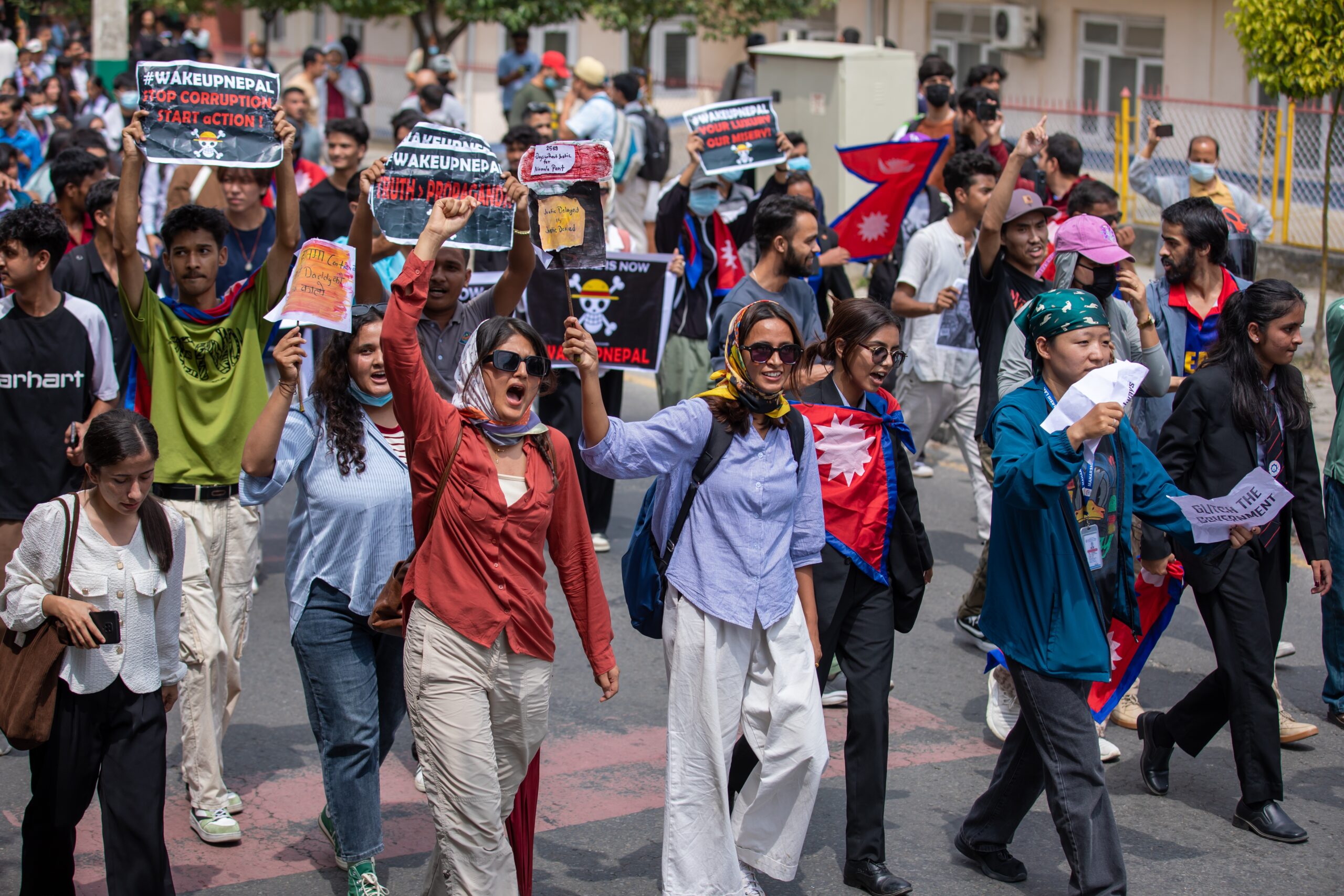
At home, Shah has moved quickly to consolidate legitimacy through a high-profile anti-corruption drive. Legal action against former senior officials linked to the violent suppression of the September 2025 Gen Z protests has created a sense of momentum. Crackdowns on patronage networks reinforce the image of a government willing to act. Yet speed cuts both ways. Without consistent adherence to due process and institutional independence, early gains risk appearing selective rather than systemic.
Claims of an overnight shift in bureaucratic culture also deserve scrutiny. Stories of punctual officials, improved service delivery and more responsive administration are compelling, but largely anecdotal. Behaviour under pressure often reflects compliance rather than transformation. The government’s hundred-point reform agenda signals ambition, but proposals such as removing student unions from universities expose a deeper contradiction: a government cannot claim democratic renewal while advancing measures that weaken democratic participation.
In this environment, Shah has become the defining political figure of the moment. His appeal powered the rise of the Rastriya Swatantra Party and reshaped the electoral map. But reducing this shift to charisma misses the point. The deeper driver is structural fatigue. Three decades of instability, corruption and institutional decay created the conditions for disruption. Leadership can trigger change, but institutions determine whether it lasts.
That context is stark. Between 1990 and 2025, Nepal cycled through nearly thirty governments. Policy continuity suffered, institutions were politicised and public trust eroded. Youth migration surged as opportunities narrowed at home. What appears as optimism today is also the release of accumulated frustration. Expectations are high precisely because the baseline has been so low.
Nepal’s external environment adds another layer of complexity. Its position between two major powers, its social diversity and its development constraints demand careful calibration. Global debates about geo-economics and strategic competition are relevant but often invoked loosely. Influence increasingly operates through technology, supply chains and information systems. For Nepal, the challenge is not aligning with global buzzwords but building the domestic capacity to manage these pressures.
What is emerging under Shah is a mix of symbolism and action. The government projects decisiveness through visible enforcement and strong messaging, while facing the harder task of turning momentum into institutional reform. In a political environment shaped as much by perception as performance, that balance is critical.
It has been just over a month since Shah took office. The moment feels significant, but it is not yet decisive. Nepal is not witnessing a completed transformation; it is witnessing an opening. Whether that opening leads to durable change or another cycle of disappointment will depend on one thing above all: whether early energy is converted into institutions capable of outlasting the man at the centre of it.
The opinions expressed are those of the contributors, not necessarily of the RSAA.