On Thin Ice: An Explorer’s Memoir of Siberia, Surveillance and Survival
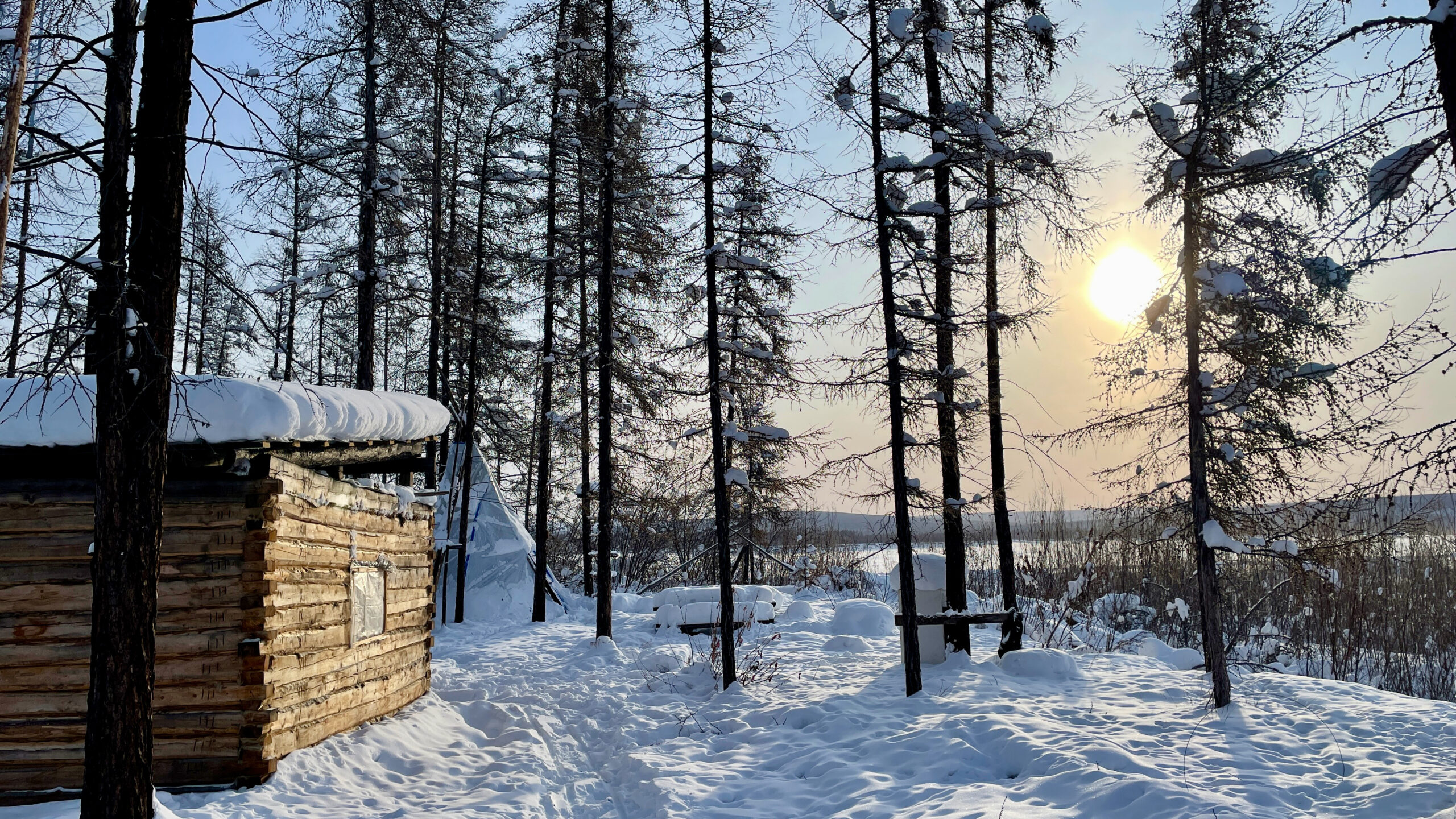
Charlie Walker is an award-winning British explorer and writer
Everyone remembers where they were at the exact moment they heard the news on 24 February 2022. For many, it will have been in bed, waking up to find their phone exploding with alerts: “BREAKING NEWS: Russia launches full-scale invasion of Ukraine.”
I was in the pasta section of a supermarket in Far Eastern Russia, buying supplies for a long hike across Arctic Siberia. Upon reading the news, I instantly felt claustrophobic. I looked around, expecting things to shake and topple, as though struck by an earthquake. Two of Europe’s largest armies were suddenly at war and the relative cooking times of different pasta brands no longer mattered.
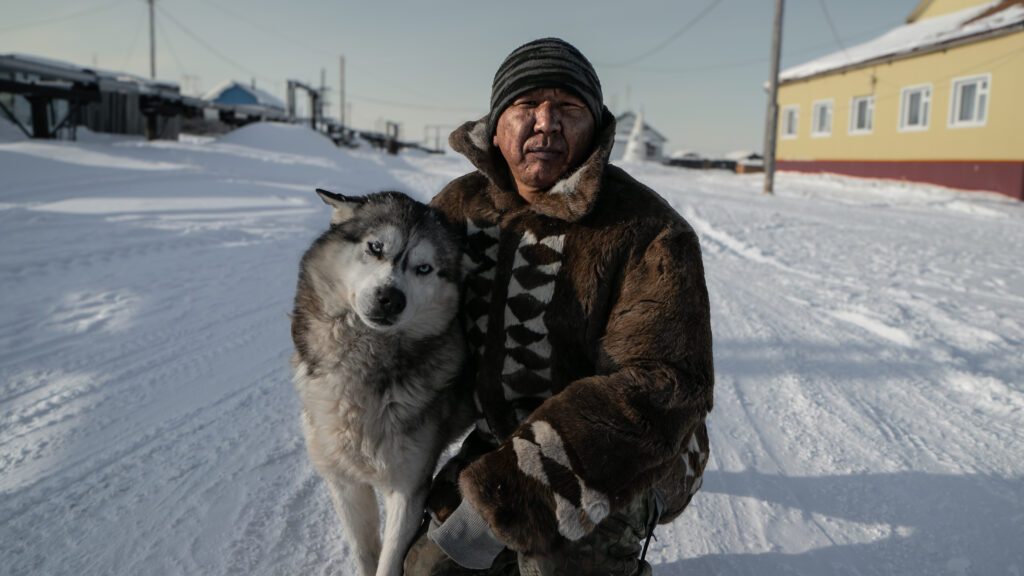
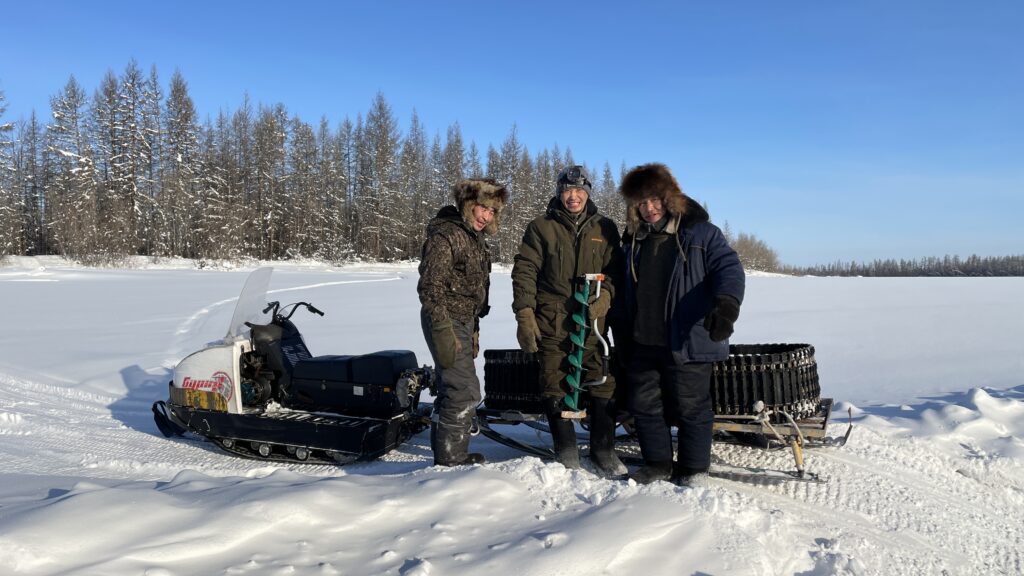
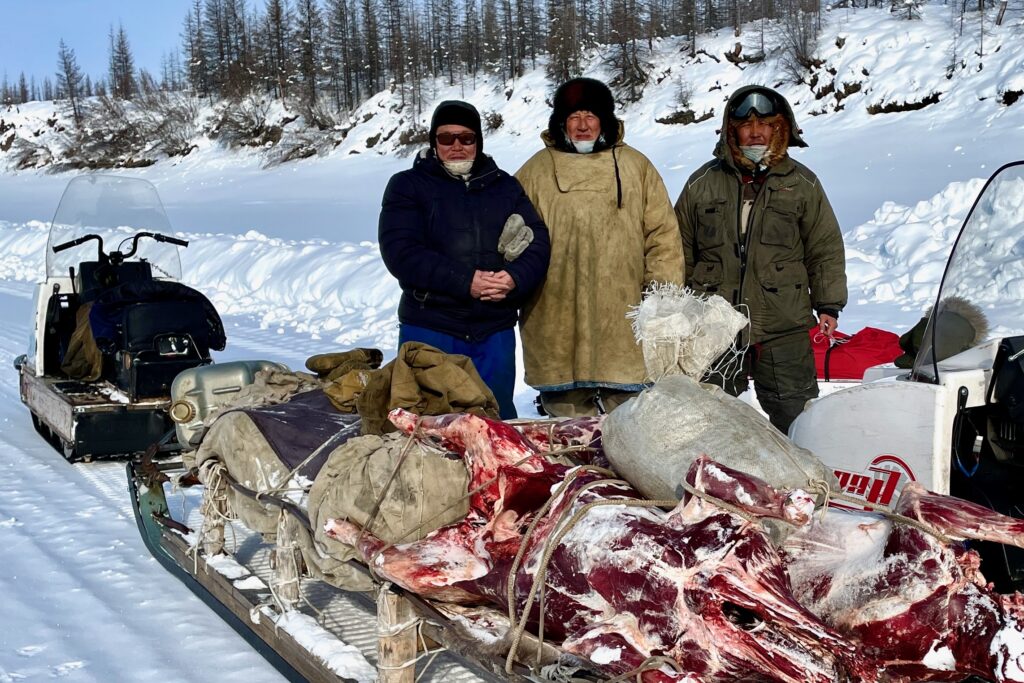
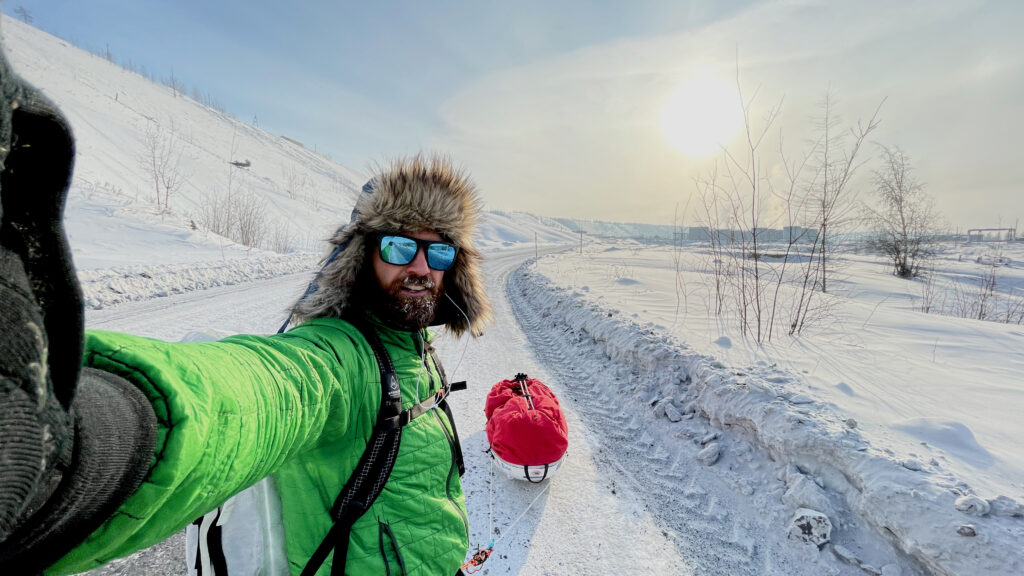
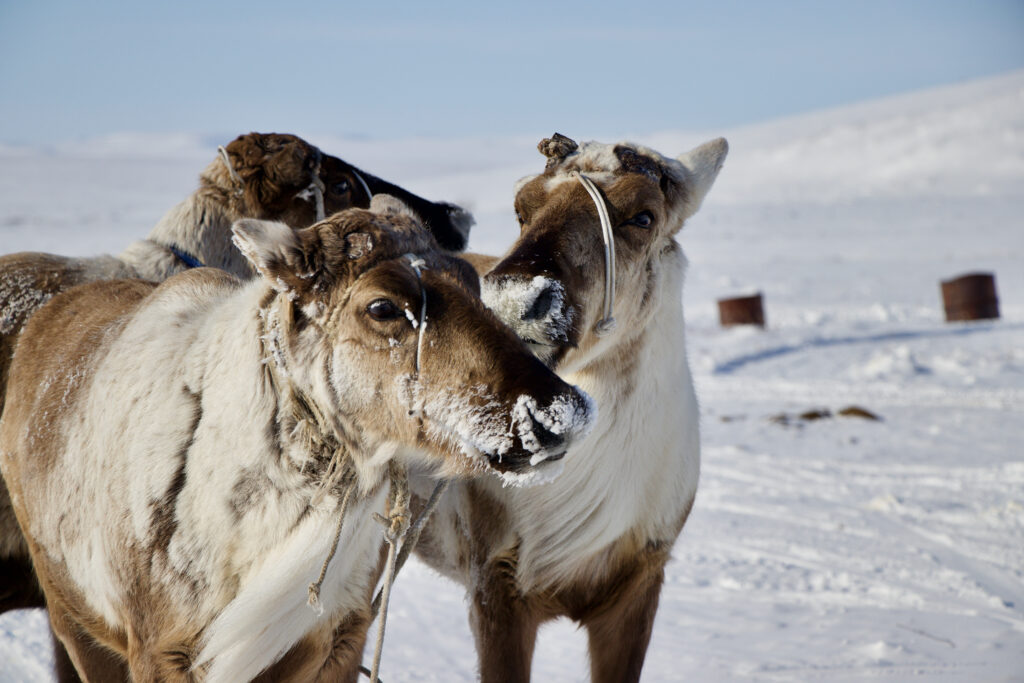
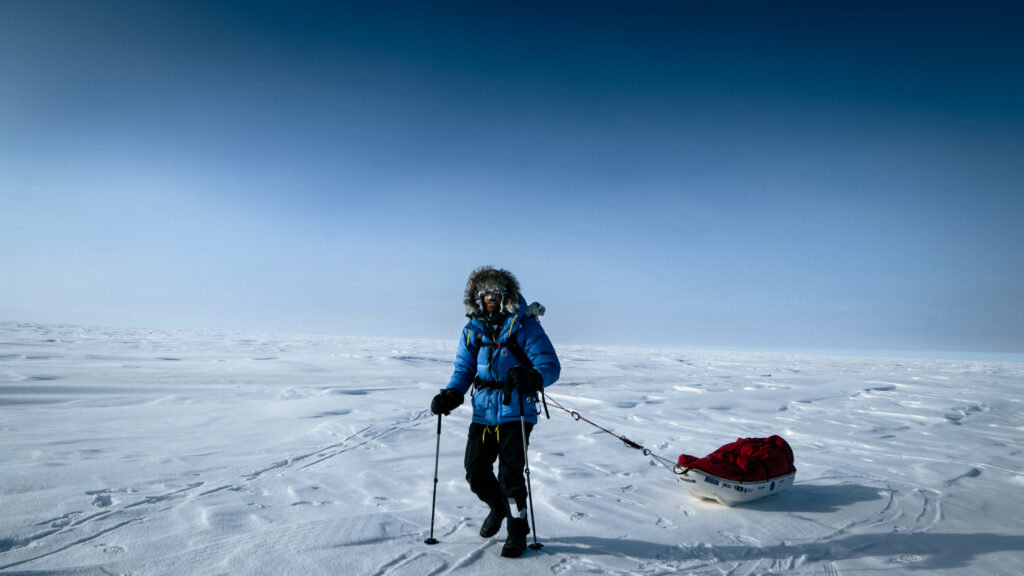
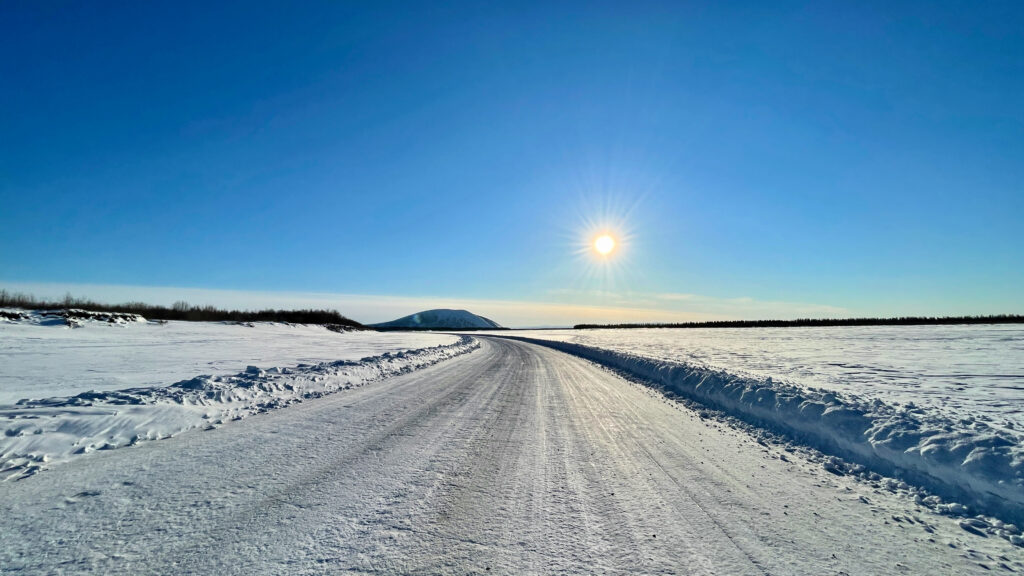
I had flown into Yakutsk a few days earlier with the plan of hiking 600 miles to the Arctic coast from the so-called ‘Pole of Cold’, the coldest inhabited place on earth with a record low temperature of -67.8ºC. Yakutia (also known as the Republic of Sakha) is Russia’s largest and most sparsely inhabited region: 94 per cent the size of India but with fewer than one million people. To cross this icy vastness of forest and tundra, I would follow a zimnik: an ice road cleared on the surfaces of frozen rivers, enabling lorries to carry goods to remote settlements during the winter months. Along the way I would encounter small communities of indigenous Siberian peoples; Eveni reindeer herders and Sakha pastoralists.
After the war began I considered leaving the country immediately. But, eventually I decided to stay, curious to chart the opinions of citizens in this remote corner of Russia during such a pivotal moment in history. With supplies for two months, I flew north to my starting point, and began walking. The two-month hike was physically tough but often rewarding. The minus forty-something mornings in my tent were offset by ethereal aurora displays shimmering in the night skies and interesting encounters in the few villages scattered along my route.
Most people were simultaneously eager to hear my thoughts on the situation in Ukraine yet reticent with their own. And I never heard anyone disparage the ‘Special Military Operation’ in front of anyone else. Russia’s already-limited free speech had evaporated overnight and the consequent paranoia was often tangible. Eventually, the war’s reverberations overtook me. I was arrested upon completion of my hike on spurious allegations. The ensuing time spent behind bars proved inordinately harder to bear than the preceding two months of sleeping in a tent in cold that quickly kills given half a chance.
On Thin Ice charts my journey and subsequent incarceration while exploring what the Kremlin’s propaganda tells Russian citizens about the war, and what they really think. The following extract recounts a one-night stay in Kular; a remote gold mine nestled in low hills that bubble up from the Arctic tundra between the Yana and Omoloy rivers.
The following is an extract from the book.
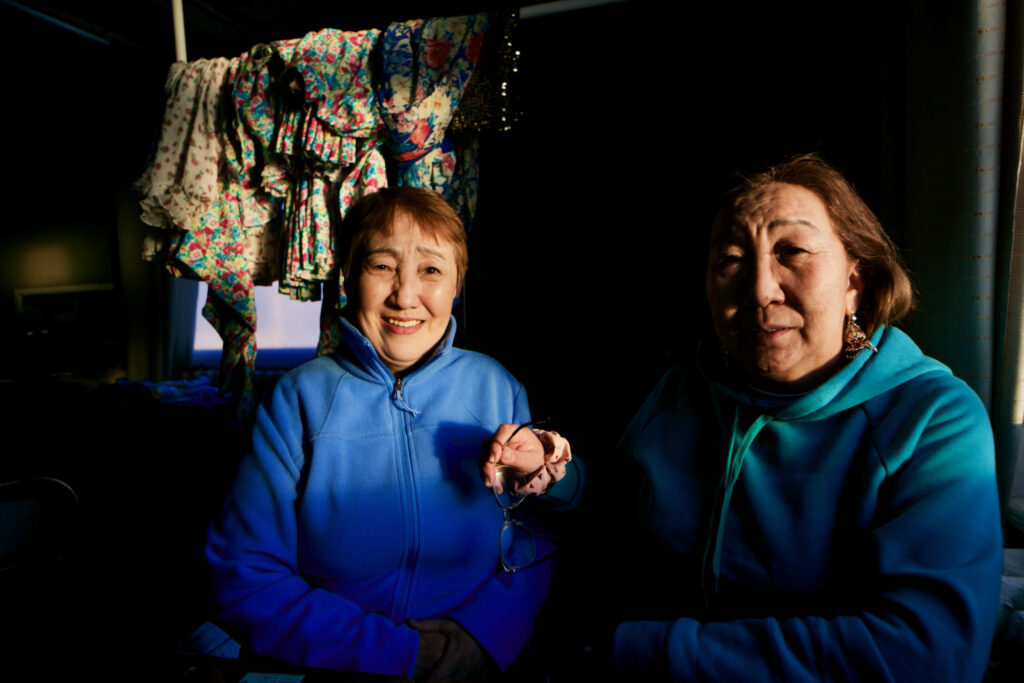
Most of the camp’s forty men had squeezed into the canteen for dinner. The miners were Sakha – mostly from Yakutsk – except for one Slav, who sat apart from his co-workers. Whenever the door squeaked open and someone entered, the newcomer worked their way along the tables shaking hands and greeting each colleague by name. It was a touching ritual, a way of maintaining the warmth of community in a cold, remote outpost.
A television fixed high on the chipboard wall was playing an old war film. Young, blond men in khaki uniforms stood victorious beside tanks on a battlefield of drifting smoke, broad smiles on every face, having just won the Great Patriotic War. Credits rolled and somebody changed the channel. Vladimir Putin appeared on the screen and the volume was turned up.
Everyone in the canteen stopped talking and turned to their leader. Putin was animated. Many of the miners nodded as he spoke. The president was declaring a victory of sorts, having secured a land corridor to Crimea. ‘Phase 1’ of the Special Military Operation was complete and Russian forces would now focus exclusively on ‘liberating’ the Donbas. I had no way of knowing at the time that this was Putin’s attempt at damage control and that six weeks into the invasion, the Russian blitzkrieg had ground to a halt. Kyiv had held out and, in a few days, Russian troops would be forced to withdraw from their positions surrounding the capital.
One of the miners asked me what I thought about the Special Operation and I gave a non-committal response. I added that I was sad that so many people were dying, probably several thousand by this point. Everyone listening broadly seemed to agree. When I asked what anyone else thought, two men replied – immediately and simultaneously – with one word: ‘Pizdets!’ It’s fucked up! I didn’t know if they were referring to the war in general or to the alleged genocidal neo-Nazism of the Ukrainian regime. I presumed the latter.
Velodya, the security guard, chipped in to say that a school had been bombed. I’d heard that a Ukrainian village school in the Donbas had been blown up by the Russians two weeks earlier. It was reported that most of the village’s population had been sheltering in the basement and sixty people were presumed dead. But Velodya was talking about something he’d seen on TV, also two weeks ago, claiming that the Ukrainian military had shelled a ‘Russian’ school somewhere in the Donbas. This was presumably the same event I’d heard about, distilled through the medium of Kremlin propaganda.
I was struck afresh by how easy it was to spread falsehood in a place where all information was so tightly controlled. Any atrocity committed by Russian troops could simply be flipped and blamed on the Ukrainians. It was startlingly unsophisticated and yet staggeringly effective. I wondered if these friendly miners were exercising the ‘doublethink’ described in George Orwell’s Nineteen Eighty-Four, when he wrote of officials willingly being duped by the all-seeing system they are stuck within, or if that was my own wishful thinking.
I asked if anyone knew how many Russian soldiers had been killed so far. ‘Nol soldat!’ replied someone. Zero soldiers! I wasn’t sure what to say. I gave the man a quizzical look but he repeated his comment, straight-faced. ‘Nol soldat!’ I looked to the rest of table. Nobody disagreed. Ordinary Russians would likely never know how many of their compatriots were dying in Ukraine.
As I lay in my warm bed a while later, I wondered if some of the miners suspected Putin wasn’t the saint he’s made out to be, but felt it was wiser – or easier – to ignore their misgivings. Nobody wants to believe that their nation is fundamentally evil, or that their sons and fathers and brothers are fighting an unjust war. Perhaps the key to successful propaganda is not the lies themselves but the willingness of the ears they fall on.
The Sakha have a proverb: when a horse is going the right way, why kick him in the ribs? Change can be dangerous. The current status quo is unquestionably preferable to the frenzy of marauding kleptocracy that was the pre-Putin 1990s. For the average Russian, the horse may not be on the right course, but it’s definitely bolted in worse directions in the past.
As I packed to leave in the morning, a miner called Vasya said he wanted to show me something. He led me to a small storage container and hauled open the heavy steel door. The inside was warm and lit by a single bare bulb. After the scentless sterility of the cold morning air, the smell of dog was immediate. Behind a heap of tangled cables, an emaciated mother nursed a litter of seven on a fouled mattress. The downy, six-week-old puppies were sleepy-eyed and shaky on their feet. Vasya picked up a white one and handed it to me.
‘Polar bear!’ he said with a grin. I held the fidgeting pup up to my face. It looked meekly back at me and my heart melted. Vasya saw how affected I was and picked up the other six one by one, stacking them in my arms. By the time I was awkwardly cradling them all, three had fallen asleep.
‘I want you to know,’ said Vasya, ‘we’re not afraid to fight. I’m not afraid to fight. And I will gladly fight for my country if I’m called. Russia defeated fascism before and now we must do it again.’ He said it softly and there was no hostility. But there was steadfast pride.
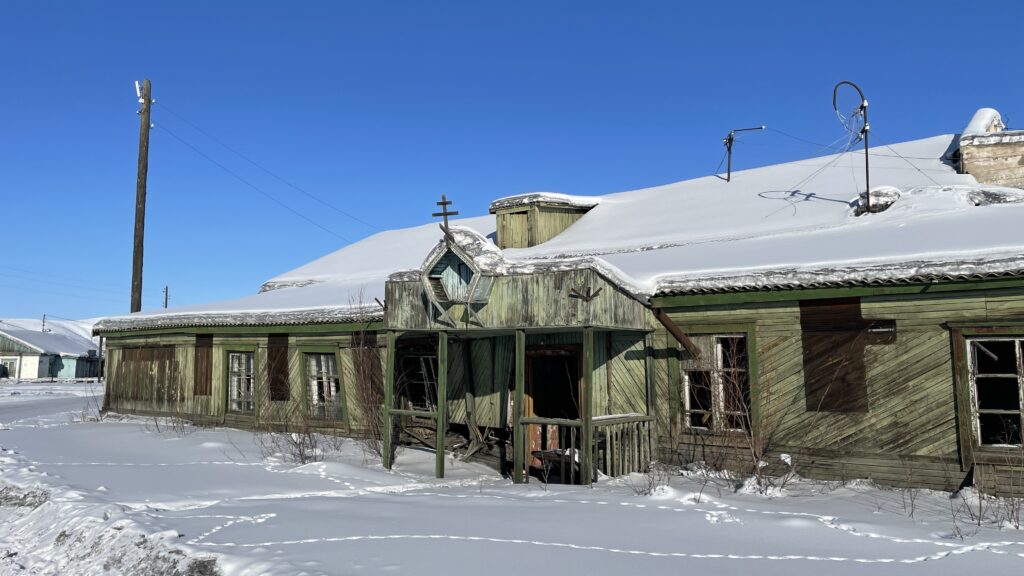
Snow spiralled lightly from a low sky as I walked out of the camp, through the abandoned village, and set off up a faint trail. I climbed uphill, squinting into a thickening whiteout. Kular’s bleak blemish on the otherwise blank landscape soon faded from view behind me. But Vasya’s final words stayed with me, a spreading darkness blotting the brilliance of the land.
The opinions expressed are those of the contributor, not necessarily of the RSAA.
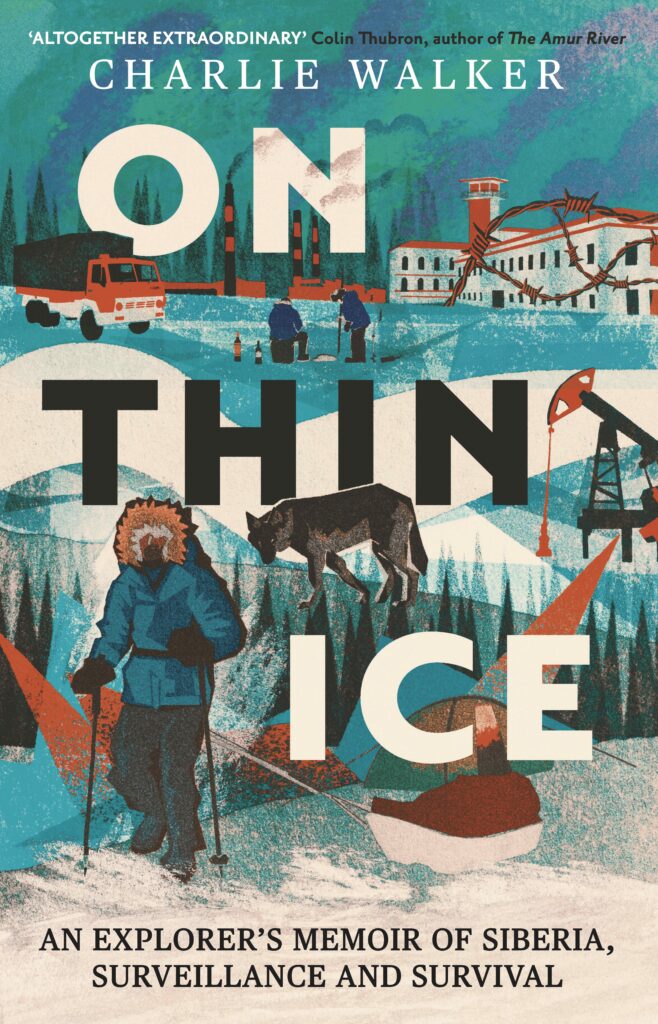
On Thin Ice: An Explorer’s Memoir of Siberia, Surveillance and Survival
“An astonishing and dangerous trek in remote Siberia that offers rare insight into Russian reactions to the war in Ukraine.” – Colin Thubron
In early 2022, Charlie Walker set out to hike 600 miles along Siberia’s frozen rivers to understand the region and its people. When Russia invaded Ukraine, the journey turned into a paranoid ordeal: he suspected surveillance, was arrested, and imprisoned. On Thin Ice combines the stark beauty of a Siberian winter with a thriller-like account of propaganda, fear, and power – both a remarkable travel story and a revealing portrait of a troubled nation.