Women’s Rights are Human Rights
Lovejit Dhaliwal is a foreign policy analyst, former documentary maker and an award-winning journalist
Last week, I had the privilege of attending a screening of the documentary The Last Ambassador, which chronicles the life and work of Manizha Bakhtari, Afghanistan’s current ambassador to Austria.
Watching the documentary, I was struck by an uncomfortable realisation. Despite regularly reading about Afghanistan, I had, over time, become somewhat numb to the severe conditions that women in the country are enduring – living under what can only be described as gender apartheid. The film forced me to confront the uncomfortable truth that I had, in some ways, forgotten the reality these women face on a daily basis.
I felt deeply ashamed.
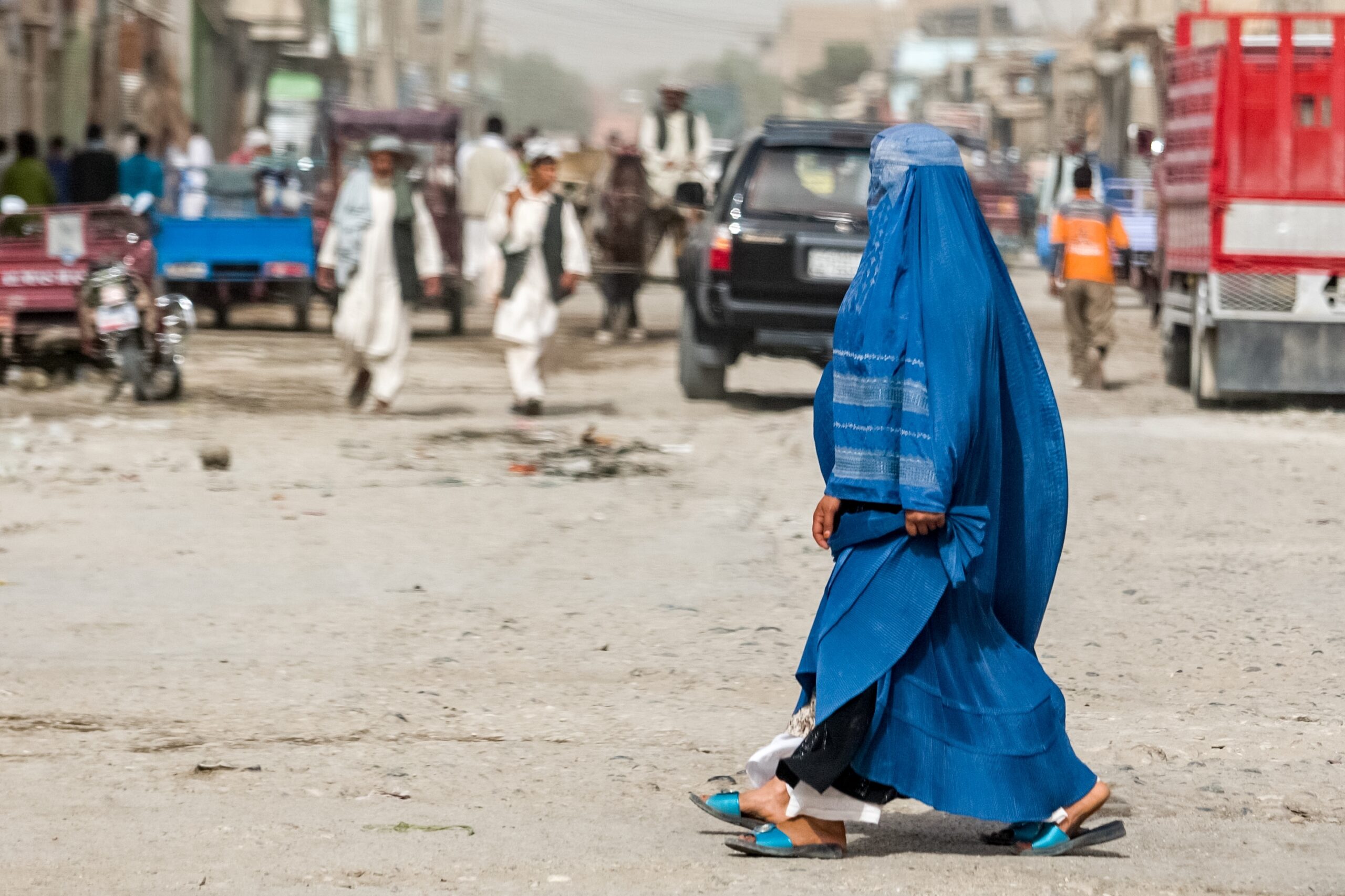
How could I have forgotten that girls are being systematically denied an education? That women are prohibited from working? That they are barred from visiting public parks? And now, women have even been silenced to the point where their voices are literally erased in public spaces. The situation is not merely troubling – it is dire.
Just days ago, the UN High Commissioner for Human Rights, Volker Türk, reminded the UN’s Human Rights Council of the Taliban’s latest decree, which once again blatantly disregards international obligations. As of March 2026, the Taliban has expanded enforcement of the “Law on the Propagation of Virtue and the Prevention of Vice” and introduced a new penal code that sharply restricts women’s rights, limiting their movement, speech, education, and ability to work in public roles. The code also permits husbands to physically discipline their wives under certain conditions and criminalises women visiting family without permission, with potential prison sentences and penalties for relatives who assist them. Rather than protecting the rights of women and children, the Taliban’s policies appear designed to further entrench their oppression – perpetuating domestic violence, restricting freedom of movement and assembly and severely limiting access to healthcare.
These policies are not incidental. Afghan women are being deliberately persecuted. Amnesty International has described the situation as a crime against humanity.
If this level of systemic discrimination were directed at an ethnic or religious group, it would likely provoke international outrage. Yet the global response to the Taliban’s policies towards women is often muted. Where is the sustained anger? Where is the urgency that such a situation demands?
Ambassador Bakhtari herself attended the screening, and during the question-and-answer session she spoke candidly about what she believes the international community should – and should not – be doing.
Despite the immense hardship faced by the Afghan people – exacerbated by the sharp decline in international aid and the devastation caused by two major earthquakes last year – Ms Bakhtari has called on governments not to legitimise the Taliban through formal engagement. Her argument is stark but difficult to dismiss: how can the international community justify collaborating with a regime that enacts gender apartheid and systematically persecutes half its population?
At the same time, the humanitarian crisis in Afghanistan remains undeniable. Millions of people require assistance. Yet Ms Bakhtari raised an uncomfortable but important question: how can we be certain that aid is reaching those who need it most? Drawing comparisons with the failed negotiations in Doha, she warned that the Taliban may promise cooperation on aid distribution but ultimately fail to deliver on those commitments.
Ms Bakhtari herself refuses to recognise the Taliban as Afghanistan’s legitimate government. She has rejected requests for her to step down from her ambassadorial post and continues to represent Afghanistan internationally in Austria. Her stance remains resolute.
Leaving the screening, I was still left asking why has the plight of these women and girls appalling situation been so widely ignored? Why is it increasingly being treated as a grim but normal feature of life in Afghanistan?
Are we, as a global society, prepared to accept a system in which women and girls live under what are effectively prison-like conditions? A society where women cannot work, protest, or even gather freely with other women? Where mothers cannot take their children to the park and young girls are denied the chance to attend school, let alone aspire to become doctors, engineers, or teachers?
The screening was, as one might imagine, emotionally powerful. Listening to Ms Bakhtari speak, it is difficult not to be moved by her determination to advocate for the women and girls of Afghanistan. Through initiatives such as the ‘Daughters’ educational programme, she is working to provide opportunities for Afghan girls to continue learning despite the restrictions imposed by the regime.
Yet the question that lingered most strongly after the film was a simple one. Will the world continue to stand by while the Taliban works to erase Afghan women and girls from the fabric of society?
And perhaps an even more uncomfortable question remains: what have the women and girls of Afghanistan done to deserve this?
The opinions expressed are those of the contributor, not necessarily of the RSAA.