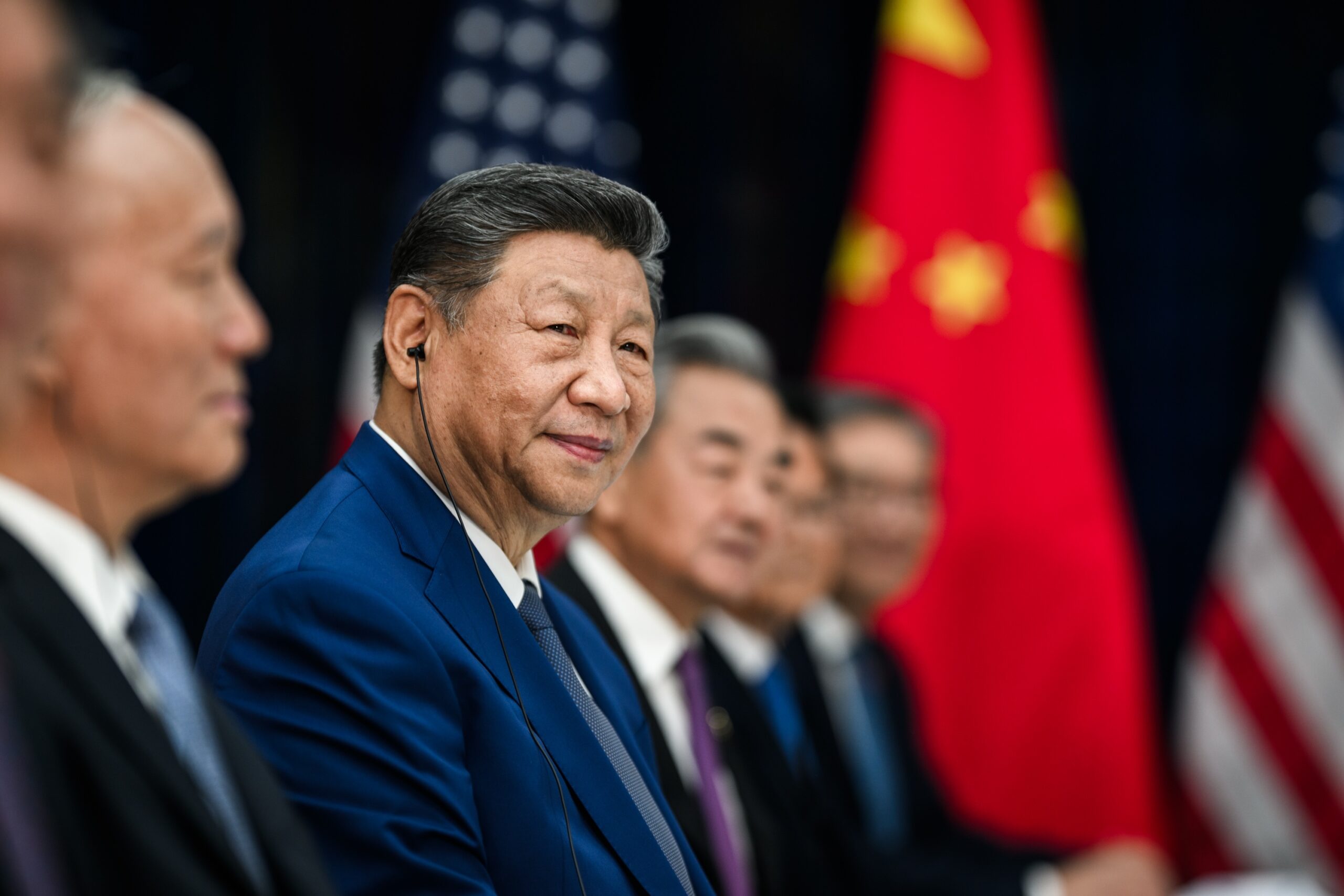
Xi Jinping Thought and the Chinese Party-State: Power, Prosperity and Security
An online panel discussion with Dr Chi Zhang, Dr Olivia Cheung, Dr Victor SHih and Professor Sarah Eaton. Moderated by Professor Ho-fung Hung.
16 April 2026 18.00 – 19:30 BST
From our series Power, Legitimacy and Influence: the Future of Asia
This panel discussion is part of our series Power, Legitimacy and Influence: the Future of Asia. The series is exploring six long-standing regimes in Asia that have had and continue to have a huge influence outside their own borders, shaping the region and its trajectory. It considers their leadership, the sources of their legitimacy and their guiding doctrine in order to gain an insight into what the future of Asia might look like.
Under Xi Jinping, China has entered a new phase of rule defined by the centralisation of power, ideological discipline and the reassertion of the Chinese Communist Party across state and society. This panel will examine Xi Jinping Thought as a source of political legitimacy, asking how authority is sustained through economic performance, control and security in an era of slower growth and rising uncertainty. It will explore the fusion of domestic governance and regional strategy under Xi and consider whether China’s current political settlement represents a durable model – or a gamble with far-reaching consequences for Asia.

Dr Chi Zhang joined the University of Warwick as an Assistant Professor in Politics and International Studies (East Asia) in 2025, following roles as an Associate Lecturer and British Academy Postdoctoral Fellow at the University of St Andrews. Her research examines how the Chinese state constructs and governs security through discourse, mass mobilisation, and digital technologies, drawing on critical approaches to international relations. Her work spans counter-terrorism, nationalism, gender, propaganda, and digital authoritarianism, with recent research on data governance, everyday securitisation, and state narratives in contemporary China.
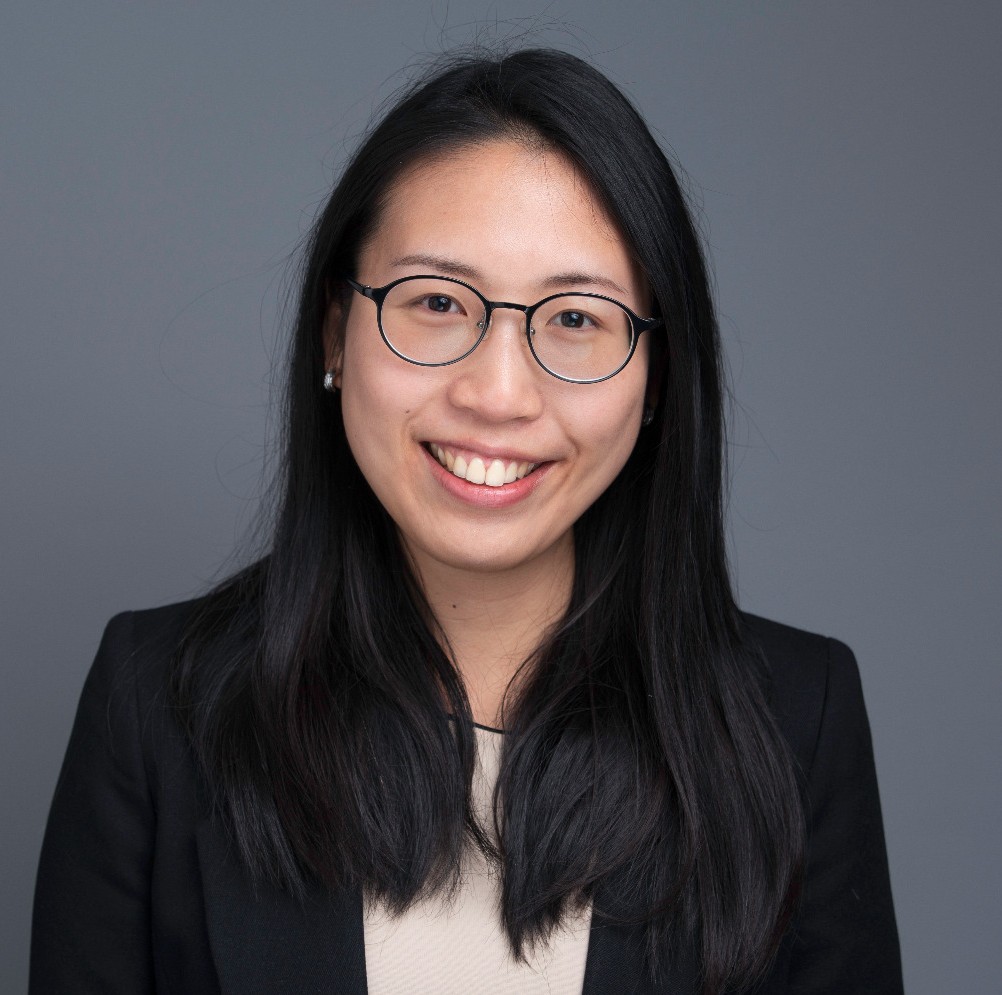
Dr Olivia Cheung is a Lecturer in Politics at King’s College London and an Affiliate of the Lau China Institute, as well as China Fellow at the Centre for Security, Diplomacy and Strategy at the Brussels School of Governance. Her research focuses on Chinese politics and political thought under Xi Jinping, and she is the author or co-author of several books with Oxford University Press and Amsterdam University Press. Her work is widely published in academic journals, featured in leading international media, and informs policy through Track 1.5 and Track 2 dialogues. She most recently co-authored China’s Global Strategy under Xi Jinping.

Dr Victor Shih is a Professor of Political Science at UC San Diego’s School of Global Policy and Strategy, Director of the 21st Century China Center, and Ho Miu Lam Chair in China and Pacific Relations. An expert on Chinese banking, fiscal and exchange-rate policies, and elite politics, he is the author and editor of multiple influential books with Cambridge University Press and the University of Michigan Press, and has published widely in leading political science journals. His current research examines the global activities of Chinese elites and defence firms, which is accompanied by his maintenance of an extensive biographical database on China’s political elite.

Professor Sarah Eaton is the Professor of Transregional China Studies at Humboldt University Berlin and co-founder of the Berlin Contemporary China Network (BCCN). Her research focuses on contemporary Chinese politics, political economy, and digital standardisation, with a particular interest in China’s role in global economic governance. She currently leads the ERC-funded TECHtonics project, examining the rise of digital standards powers in China, India, and Kenya. Professor Eaton has held academic positions at the University of Göttingen, the University of Oxford, and the University of Waterloo.
Moderator

Professor Ho-fung Hung is the Henry M and Elizabeth P Wiesenfeld Professor in Political Economy at Johns Hopkins University, with appointments in the Sociology Department and the Paul H Nitze School of Advanced International Studies. His research focuses on global political economy, protest, nation-state formation, social theory, and East Asian development. He is the author of the award-winning Protest with Chinese Characteristics (2011) and The China Boom: Why China Will Not Rule the World (2016). His research has appeared in journals including the American Journal of Sociology and American Sociological Review, received awards from scholarly associations, and has been widely cited in international media.