Turkmenistan Beyond Independence: State, Society and Identity

An online panel discussion with Dr Victoria Clement, Dr Slavomír Horák and Anton Ikhsanov. Moderated by Professor Sébastien Peyrouse.
7 May 2026 18:00 – 19:15 BST
From our anniversary series – Central Asia 35
*This event will not be recorded.
This year marks thirty-five years of independence for the Central Asian republics and 125 years since the foundation of the Central Asian Society, now the RSAA. To celebrate these two anniversaries, we are hosting a series of events covering Kazakhstan, Kyrgyzstan, Tajikistan, Turkmenistan and Uzbekistan looking at their history, current events and what the future might look like for them and for the region as a whole.
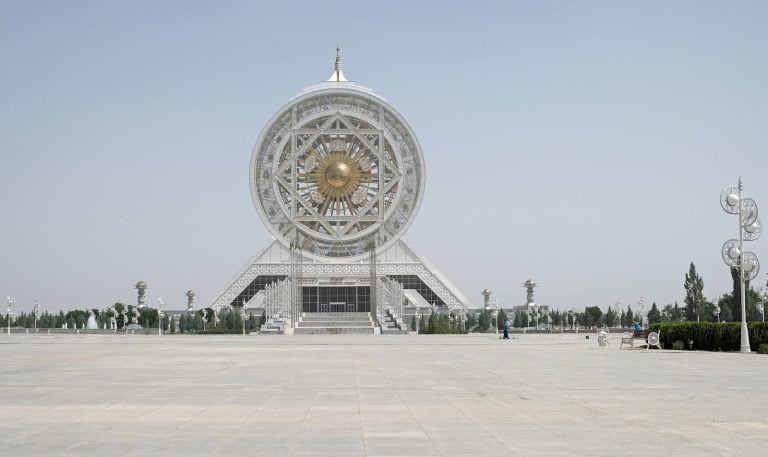
This panel discussion will focus on Turkmenistan and the country’s development over the past three and a half decades. Our panel will consider the evolution of Turkmenistan’s political system, its economic model and energy sector, and the ways in which governance and state institutions have developed since independence. The event will also explore the revival and reshaping of Turkmen national identity, language and cultural expression following the end of Soviet rule. Drawing on the expertise of our speakers, the discussion will examine how Turkmenistan has approached state-building and social change while forging a distinctive national path.
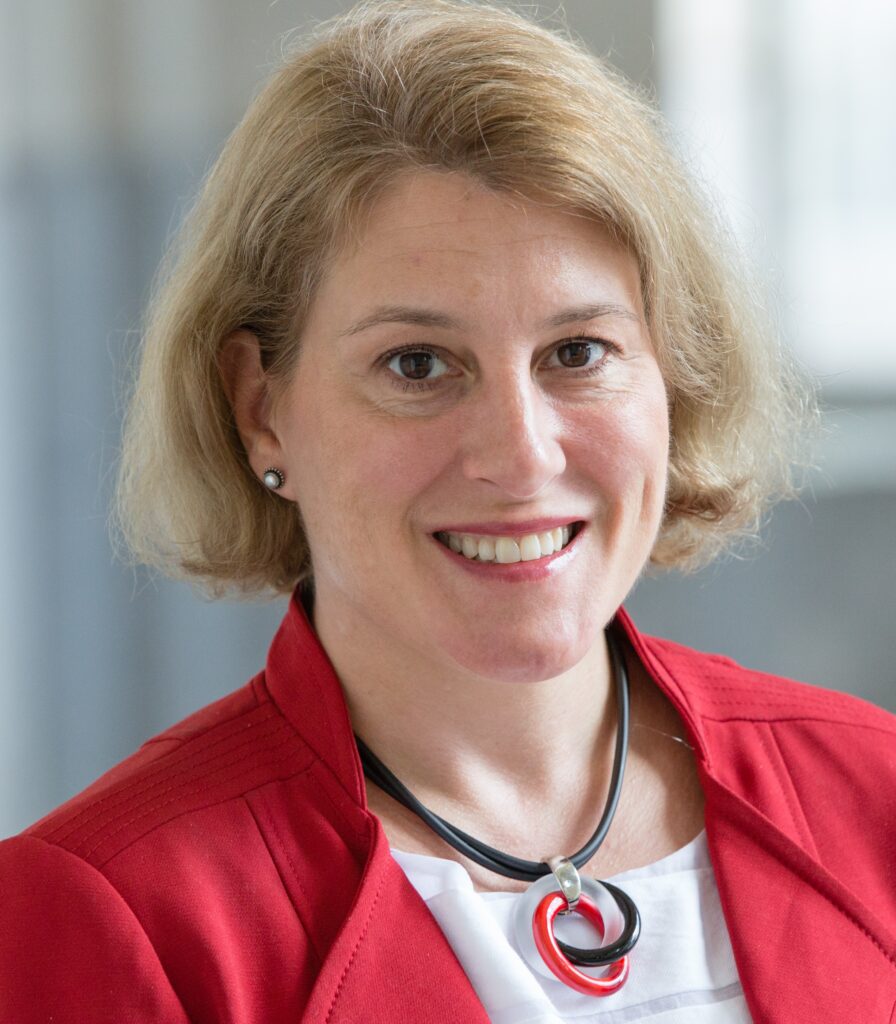
Dr Victoria Clement is the Deputy Chair for South and Central Asia Area Studies at the National Foreign Affairs Training Center in Virginia, USA. Victoria is a scholar and author who has travelled widely in the former Soviet space and has taught in Turkmenistan and Russia. In 2002-2003 she worked at Turkmenistan’s Golýazmalar Institut and, in 2012, was the US Embassy Policy Specialist in Ashgabat, Turkmenistan. She is a leading authority on Turkmenistan’s history, culture, and politics. Her book, Learning to Become Turkmen: Literacy, Language, and Power, 1914-2014, was published in 2018. She also runs the consulting firm Central Asian Insights in northern Virginia.
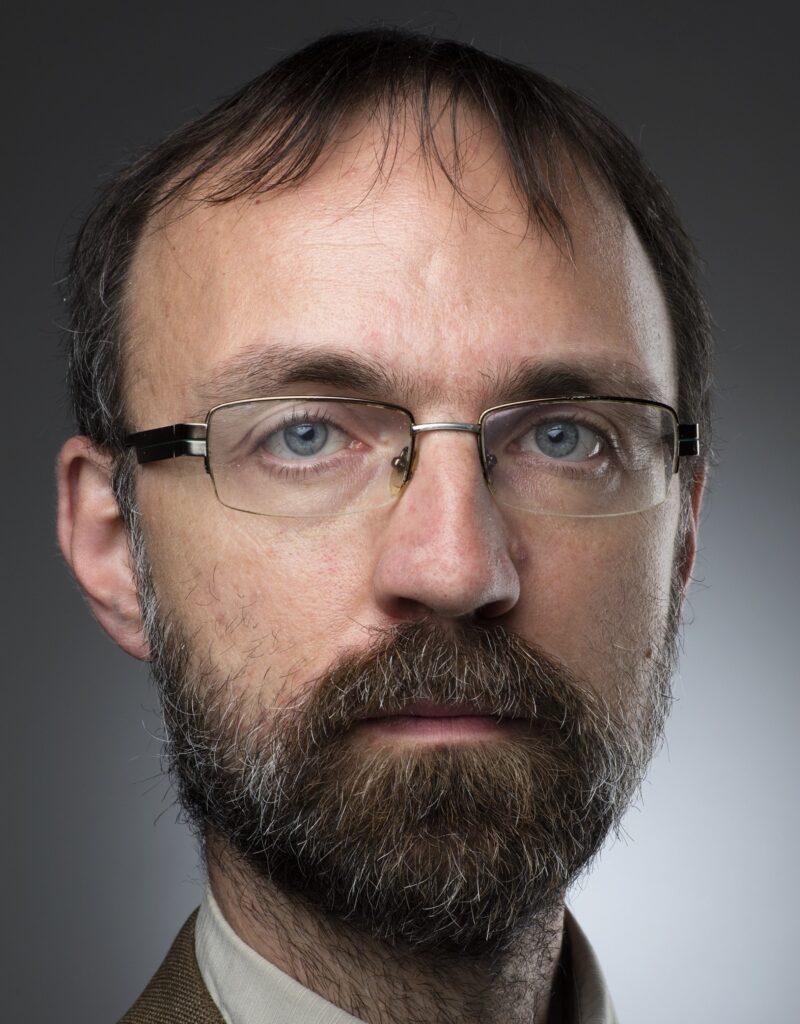
Slavomír Horák is an Associate Professor of Political and Cultural Geography at the Department of Russian and East European Studies Charles University in Prague. His research covers political, social, and economic issues in Central Asia in different scientific fields (history, political sciences and ethnography). He systematically examines Turkmenistan’s domestic issues, especially informal politics and state- and nation-building. He is the author of several books on Central Asian and Afghan politics as well as numerous articles. He provided expert consultations for the Czech Republic Ministry of Foreign Affairs, Bertelsmann Transformation Index and other companies.
Anton Ikhsanov earned his bachelor’s and master’s degrees in the history of Central Asia from St Petersburg State University. He then pursued a PhD in Russian History at the Higher School of Economics in Moscow, where he also taught courses in the MA program “Muslim Worlds in Russia: History and Culture,” covering Uzbek, Central Asian history and the history of Oriental studies. Since 2024, he has continued his doctoral research at Ludwig Maximilian University of Munich, examining Russian and Soviet Orientalist knowledge of Turkmen communities and its influence on nation-building processes.
Moderator
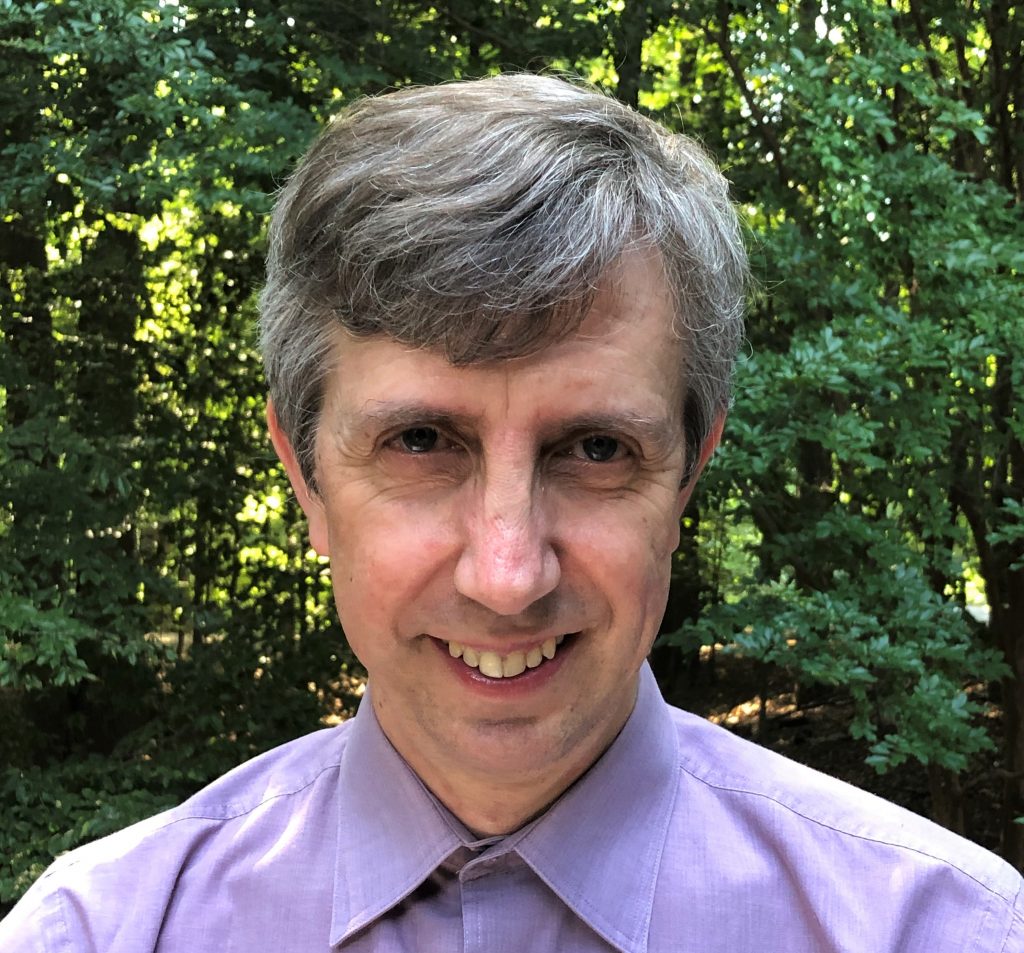
Sébastien Peyrouse is a Research Professor of International Affairs at the Elliott School of International Affairs, George Washington University. A specialist in Central Asia, his work focuses on political systems, Islam and religious minorities, and the region’s geopolitical relations with China, India, and South Asia. He has held fellowships at the French Institute for Central Asia Studies in Tashkent, the Slavic Research Center at Hokkaido University, and the Woodrow Wilson International Center for Scholars, and was a Senior Research Fellow with the Central Asia-Caucasus Institute & Silk Road Studies Program and the Institute for Security and Development Policy.