Blog
The RSAA blog publishes new posts every week, covering the whole range of Asian current affairs, culture, travel, exploration and recent history from the Levant to East Asia. Browse our recent posts!
Opinions expressed in posts are those of the contributor, not necessarily of the RSAA.
Contributions
Got a subject you would like to post about? Please download a copy of our editorial guidance. Publication is at the RSAA’s discretion
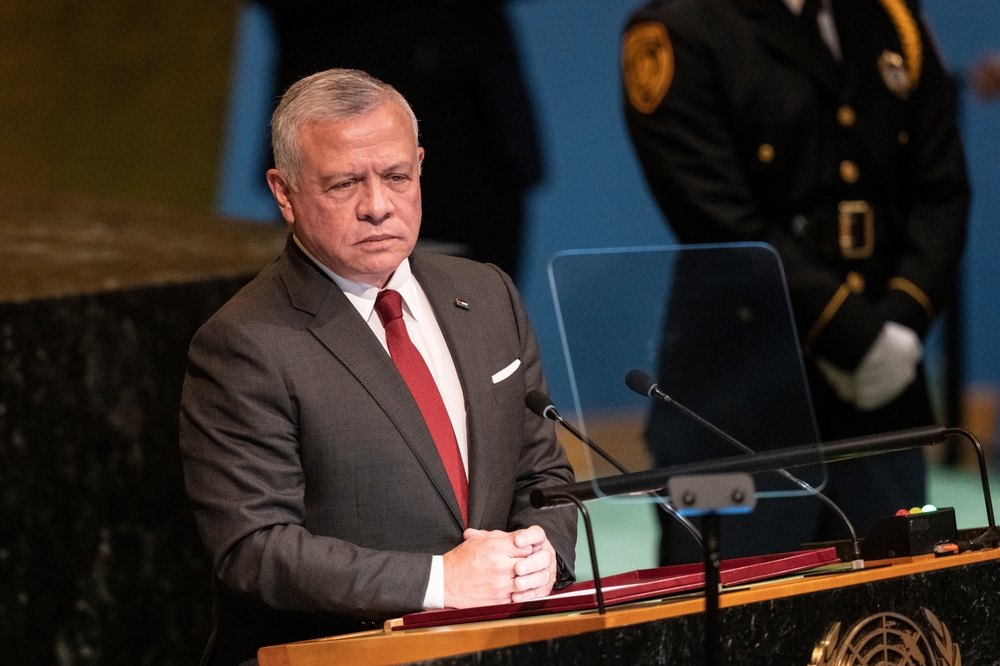
Jordan’s Unquiet Streets
Jillian Schwedler is Professor of Political Science at Hunter College and the Graduate Center, City University of New York For an authoritarian country, Jordan sees a large number of protests that are only rarely repressed with lethal force. In Protesting Jordan: Geographies of Power and Dissent, I document tens of thousands of protests dating from…

Beyond the Green Line: UK Sanctions on Israeli Settlements and the New Strategic Fault Line
Alaa Zoubi is a Research Assistant in the Middle East, North Africa and Turkey in the New Global Order Programme at RUSI Sanctions announced recently by the UK on Israeli settlements in the West Bank have been framed by the UK government as mainly an economic move, including prohibition of goods from settlements, restriction of organisations…

From Cambodia to Colombo: The Shifting Geography of Asia’s Cyber Scam Economy
Bruno S Sergi instructs Sustainability and Global Development Practice at Harvard University and Fabian M Teichmann is a lawyer and notary based in Switzerland When enforcement pressure rises in one jurisdiction, organised crime rarely disappears. It moves. This is among the oldest lessons in the economics of illicit markets, and it is now unfolding across…

Shenzhen and China’s Technological Rise: The Role of Institutional Innovation
Dr Grace Yuehan Wang is A technology & innovation expert, a visiting fellow at the LSE and the author of Dragon Innovation Kimi K3, developed by Chinese technology startup Moonshot AI, was officially released on 16 July 2026. As the largest AI model to emerge from China and one that many AI experts have described…
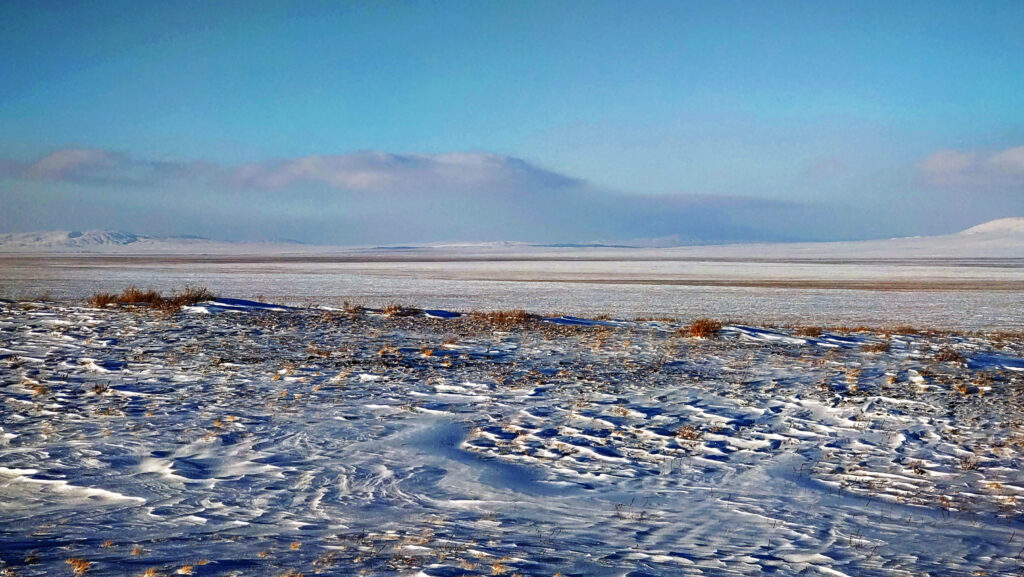
Seven Days or Seven Years: Time and Hospitality in Kazakhstan
Marcin Kusztal is a business Executive, Strategic Advisor and Author of The Steppe Rules In the winter of 1937, trains began arriving at a remote station in Kazakhstan carrying women – wives, mothers, and sisters of men arrested in Stalin’s purges. The camp they were taken to, known by the acronym ALZhIR, held tens of…
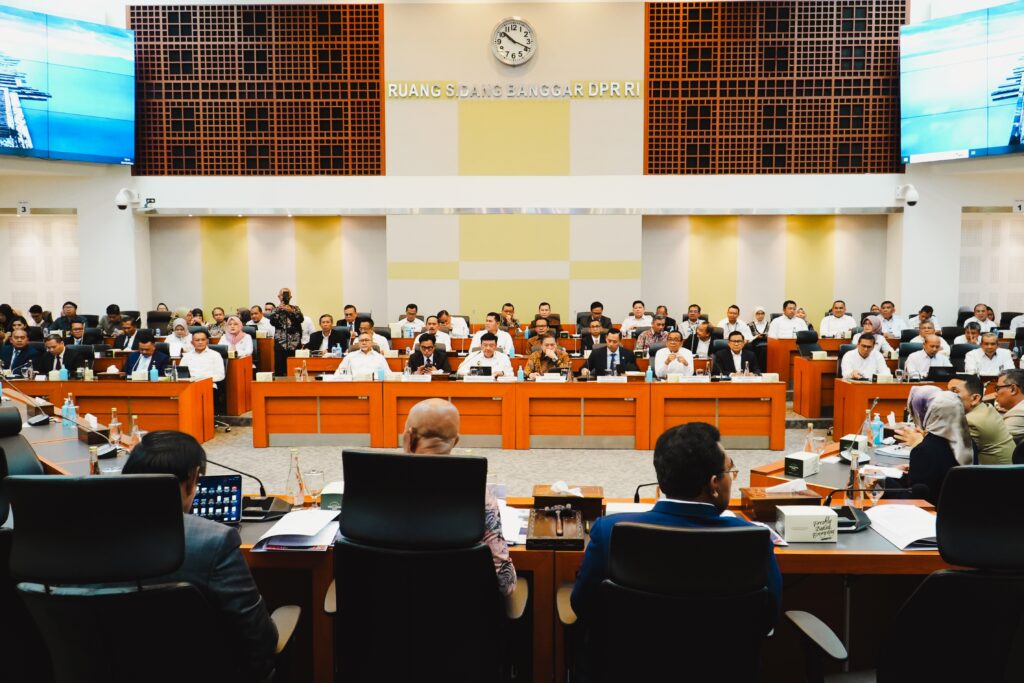
Indonesia’s Return to the Centre: The Quiet Hollowing of Regional Autonomy
Jonathan Manullang is a postgraduate student at the University of Edinburgh and a member of the Basic Income Earth Network Recentralisation rarely arrives as a dramatic reversal. Instead, it presents itself under the guise of bureaucratic “correction” – a rational, technical endeavour to tidy up the loose ends of a messy decentralised experiment, restore policy coherence,…
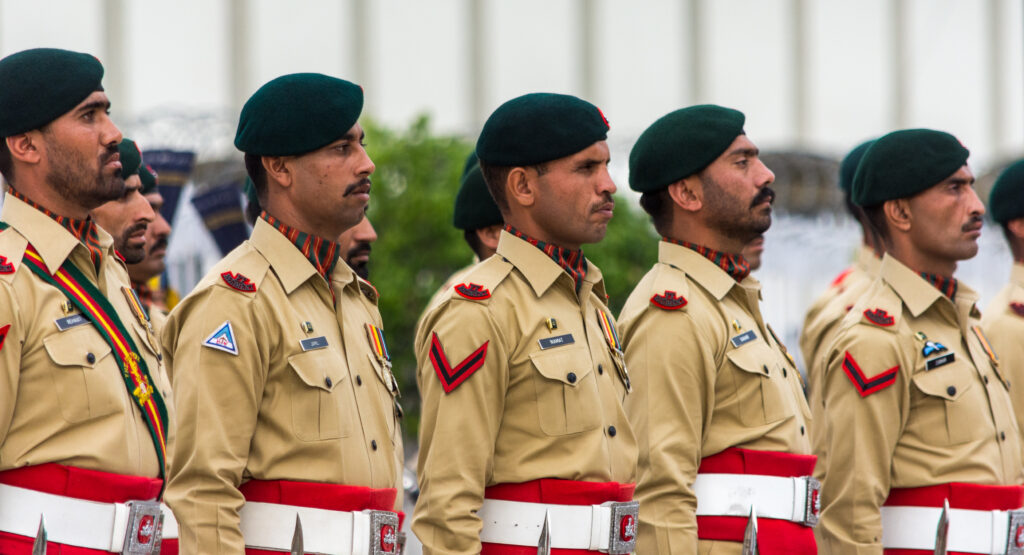
In Pakistan, the Military No Longer Needs a Coup for Global Recognition
Marcus Andreopoulos and Eve Register are Researchers at the Asia-Pacific Foundation and both work closely with NATO DEEP’s Global Threats Advisory Group Since early April, Pakistan had repeatedly sought to broker a lasting peace between the United States and Iran. Despite failing to achieve a swift peace, Pakistan’s army chief Asim Munir has used the…
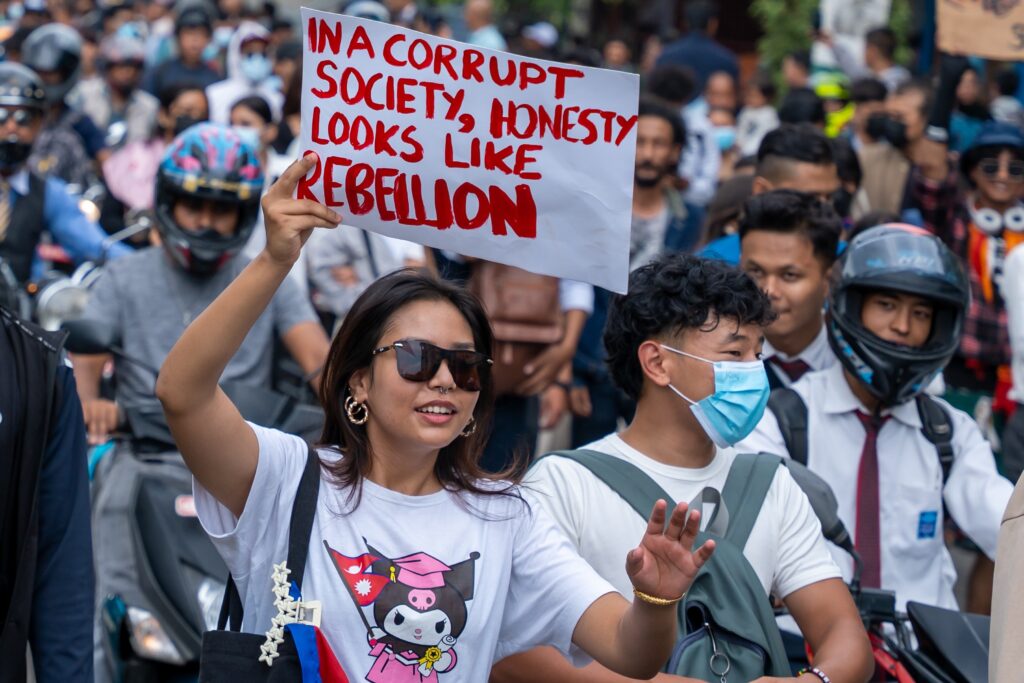
South Asian Democracy: Between Backsliding and Revival
Sumit Sharma Sameer is an author and host of the Ink and Insights podcast and Dr Pankaj Adhikari is a political scientist and policy advisor On 8 September 2025, Kathmandu did not look like a city resigned to political drift. Thousands of young people filled the streets, many carrying handwritten placards, others live-streaming the moment…
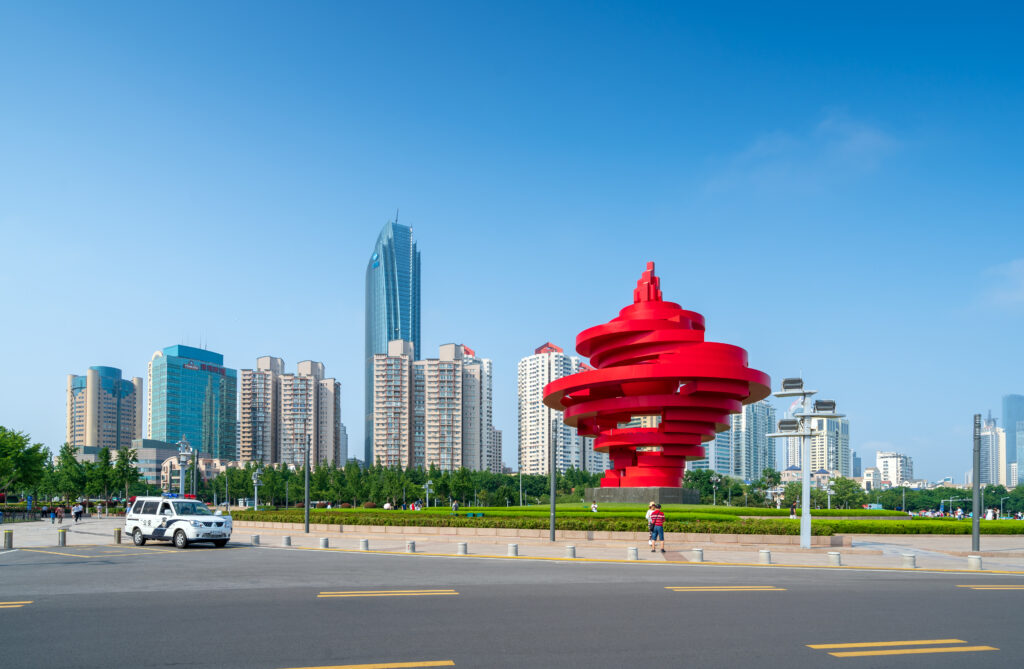
If the West Wants Deeper Dialogue with China, It Must Understand the Historical Context of May Fourth
Dr Michael Luk is an Honorary Associate Professor at the University of Hong Kong and Bryan Luk is a Programme Director at the Institute for Greater China Studies As Western leaders increasingly travel to Beijing in search of dialogue on trade, security and strategic clarity, China is once again at the centre of global attention….
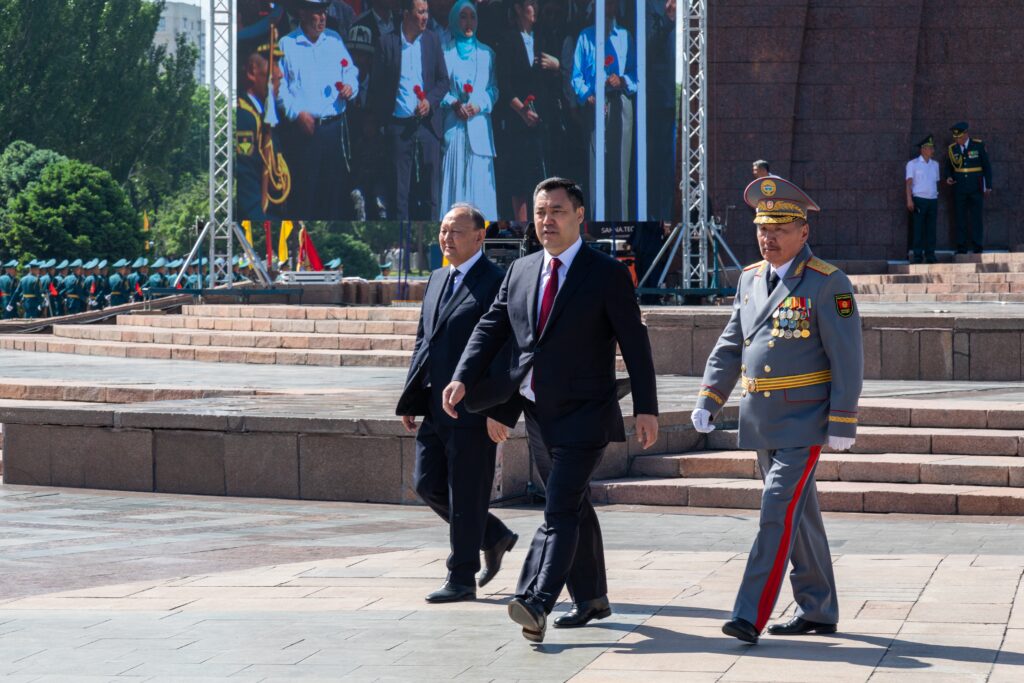
Kyrgyzstan: Central Asia’s Shrinking Space for Media Freedom
This piece was Written by an anonymous contributor The Story of How Kyrgyzstan’s Democratic Oasis Dried Up Over the past six years, Kyrgyzstan’s media landscape has sharply deteriorated. Independent outlets have been shuttered, investigative journalists increasingly labelled extremists, and critics silenced. Human rights groups warn that the country – once seen as Central Asia’s “democratic…

How Uzbekistan is Driving Eco-Diplomacy
Sophie Ibbotson is Uzbekistan’s Ambassador for Ecology and the former Chairman of the RSAA After the Battle of Ankara in 1402, England’s King Henry IV and Amir Timur – better known in the West as Tamerlane – exchanged letters. Two years later, HE Ruy González de Clavijo was sent by King Henry III of Castile…
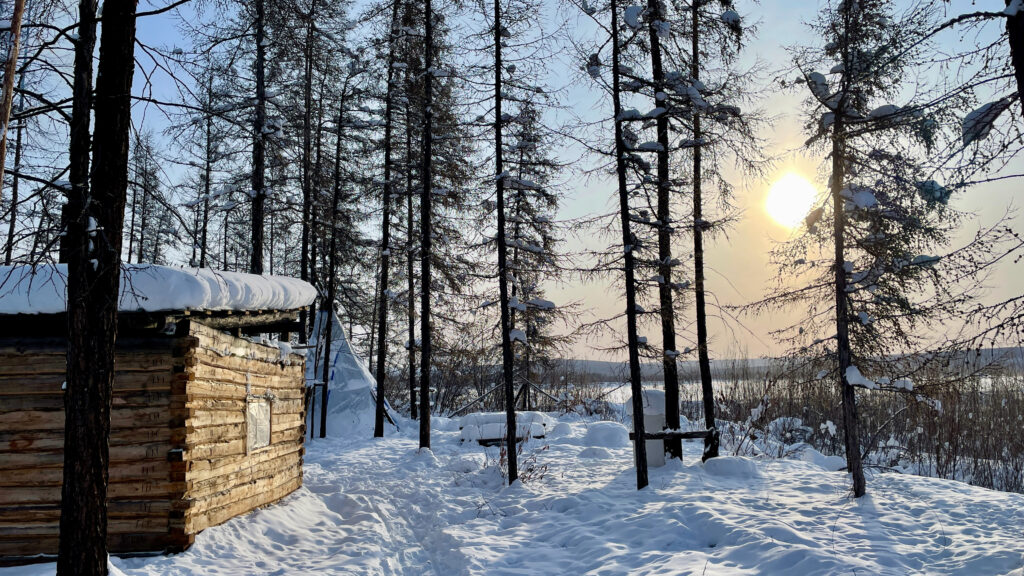
On Thin Ice: An Explorer’s Memoir of Siberia, Surveillance and Survival
Charlie Walker is an award-winning British explorer and writer Everyone remembers where they were at the exact moment they heard the news on 24 February 2022. For many, it will have been in bed, waking up to find their phone exploding with alerts: “BREAKING NEWS: Russia launches full-scale invasion of Ukraine.” I was in the…

Shanghai: Turbulent Past and Herald of China’s Future?
Professor Michael Dillon is a historian and biographer specialising in the history, politics and society of China Shanghai has had an extraordinary history. The squalor and sleaze of the early twentieth century have more or less disappeared although pockets of sub-standard housing in the midst of ultra-modern high-rise buildings reflect newer manifestations of inequality. Treaty…
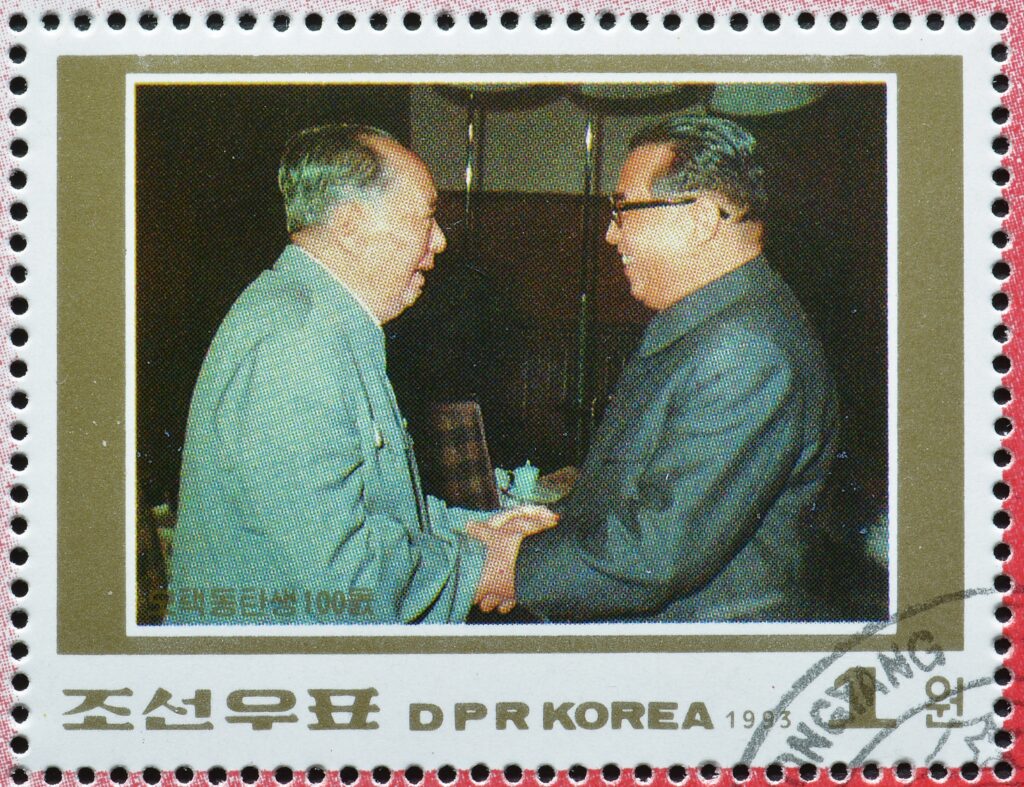
Succession and Secrecy: Intelligence on Mao Zedong and Kim Il-sung
Dr Nick Miller is a Professor of Intelligence Studies at the Citadel Military College of South Carolina My doctoral research was shaped by my experience working within the US Department of Defense, where I managed portfolios related to China and North Korea. Across both cases, I encountered a persistent problem: the quality of intelligence collection…

Beneath the Gold: The Hidden Costs for Women in Batang Toru
Jonathan Manullang is a postgraduate student at the University of Edinburgh and a member of the Basic Income Earth Network The Martabe Gold Mine in North Sumatra, operated by PT Agincourt Resources, is frequently presented as a flagship of extractive-led development in Indonesia. Yet, when examined through a gendered lens, its impacts appear far more…

The Sinking Ship at the Heart of Conflict in the South China Sea
Bianka Tibayan Venkataramani is a Coordinator of the Global Governance and Security Centre at Chatham House War today is defined by advanced capabilities – from cruise missiles and stealth submarines, to drone warfare and the weaponisation of artificial intelligence. It is therefore hard to imagine that one of the most strategically significant naval bases in…
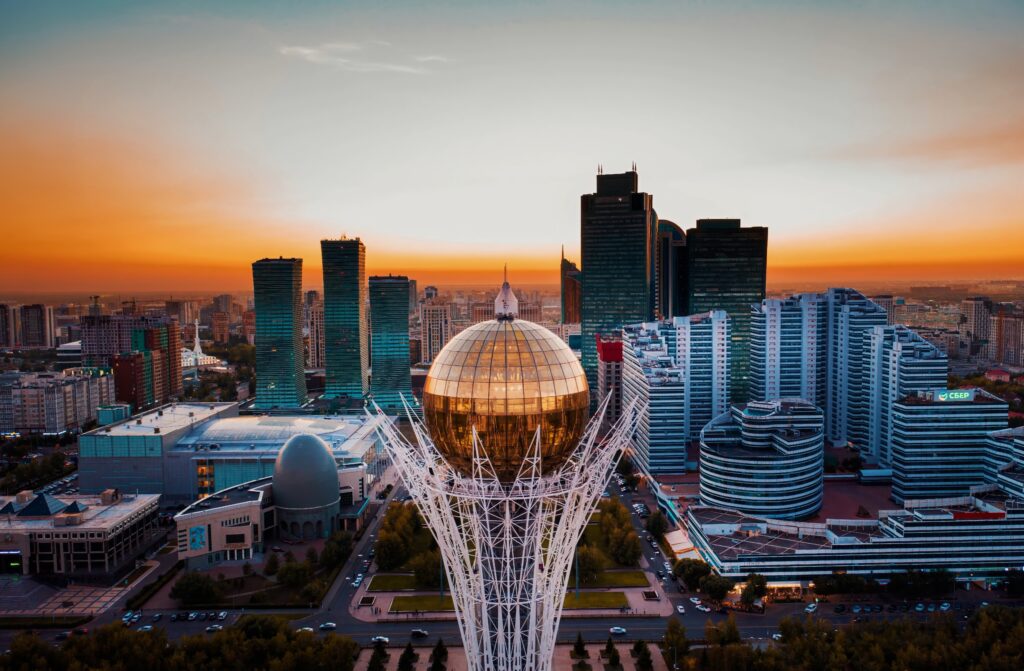
Rethinking Development in Central Asia
Dr Kuat Akizhanov is Deputy Director of the CAREC Institute and a Visiting Lecturer at the OSCE Academy in Bishkek, Kyrgyzstan Over the past three decades, Central Asia has undergone a profound transformation. Emerging from the collapse of the Soviet Union, Kazakhstan, Uzbekistan, Kyrgyzstan, Tajikistan, and Turkmenistan were rapidly integrated into a global economic system…
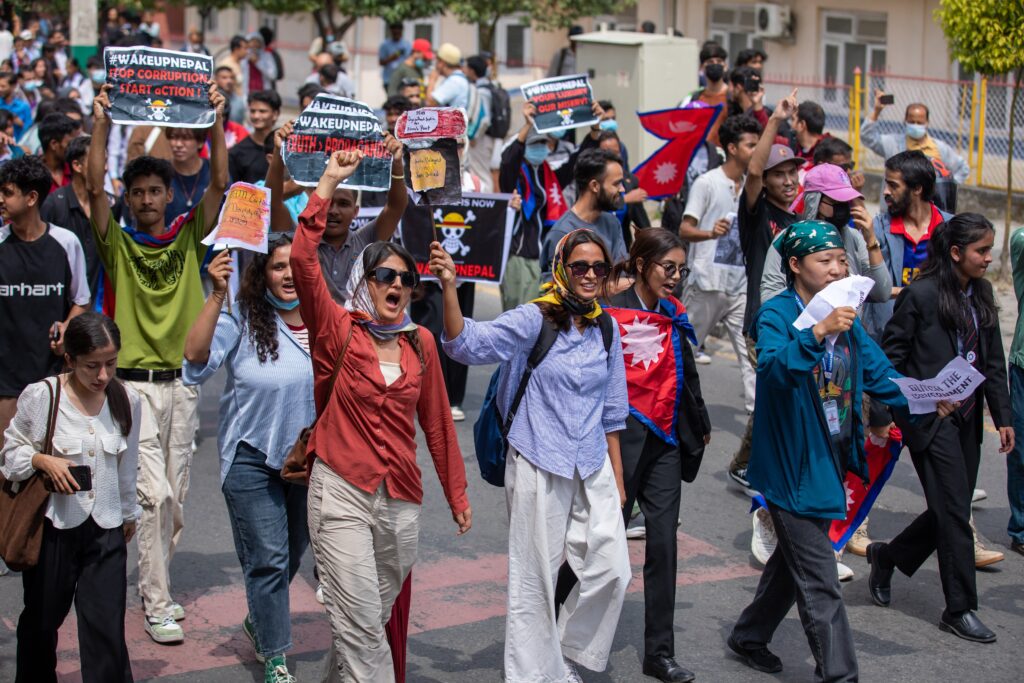
What Next for Nepal?
Sumit Sharma Sameer is an author, producer and host of Ink & Insights, and Dr Pankaj Adhikari is a political scientist and policy advisor based in Melbourne, Australia. Fresh from being named on the TIME100 list of the most influential people of 2026 by Time magazine, Prime Minister Balendra Shah has stepped onto the global…